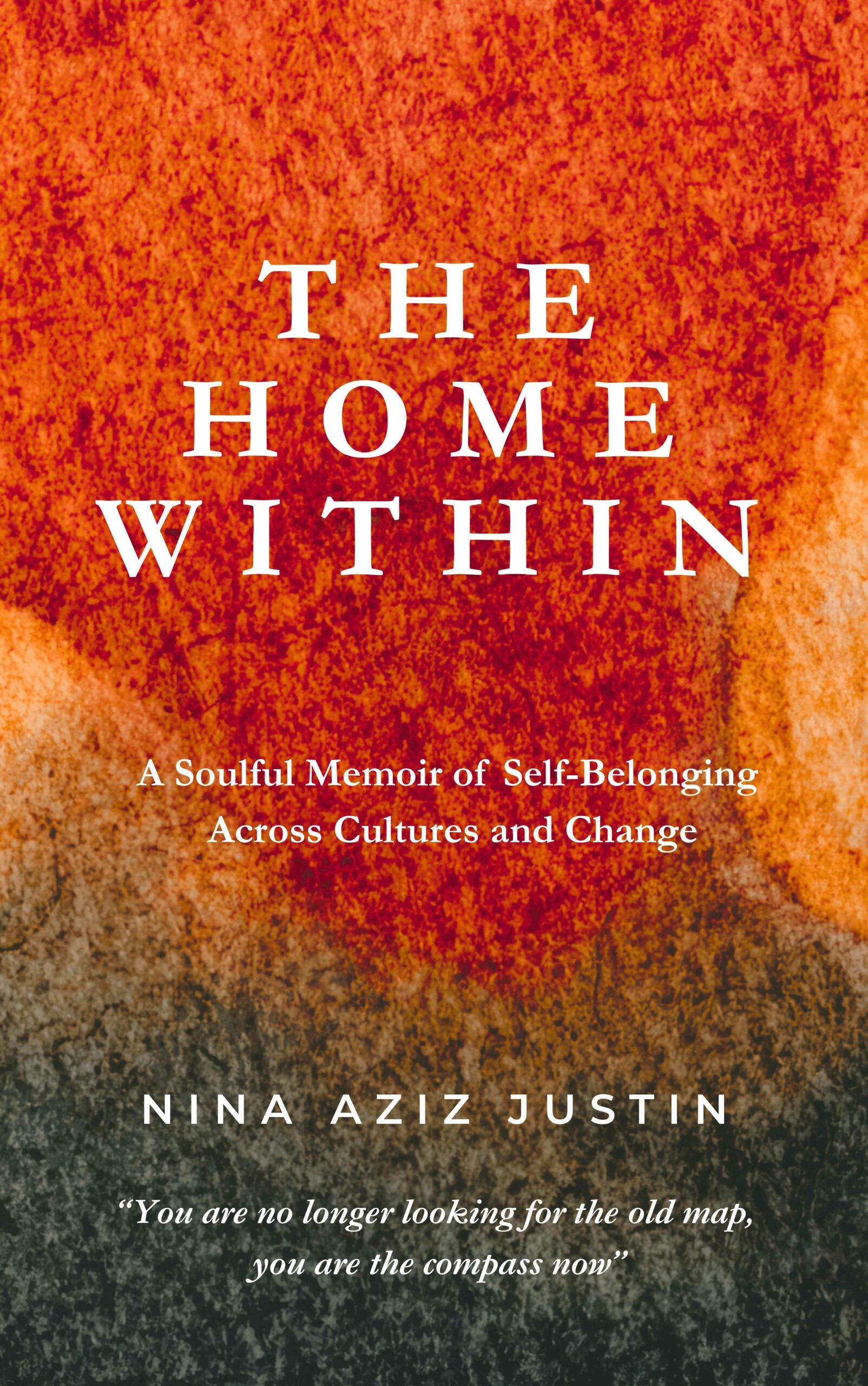

Make The Holidays Your Own: Holiday Traditions (Re)imagined Abroad
The Season for Those in Between
There is a particular stillness that descends in December that sits beneath the chatter of the Christmas markets and the glow of festive lights. For many, it is a season of return: to familiar tables, inherited rituals, and the comfort of what has always been.
But for those of us who live far from where our first stories began; the expats, the migrants, the global souls, December carries a different timbre. It holds an ache we rarely name out loud: the distance between our current selves and the traditions that once held us. The way winter light falls on a foreign city and reminds us, unexpectedly, of lost loves, childhood Christmas stories, monsoon season or humid evenings. The way a song, or a scent, or a dish simmering in someone else’s kitchen can stir a longing so old it feels ancestral.
 House of Peregrine
This is the fluid season of the in-between where we are suspended between the lives we left and the ones we are still learning to grow roots in.
December asks us to pause. To look inward. To confront the distance between memory and present.
And yet, within that dull ache is something tender and alive: an invitation to reinvent what celebration means. To craft rituals that honour where we’ve come from, without pretending we have remained unchanged. To design a holiday not inherited, but chosen.
For those who live between worlds, this season becomes not just a reunion with others but a return to ourselves.
 House of Peregrine
 Laser 3.14
The Holiday as an Inheritance (and a Choice)
Every culture has its December rituals even those from tropical places where seasons remain mostly unchanged. Holidays are ancient architectures of belonging. They exist to mark time, to knit people together, to bring light into the darker months of the year and more light or rain, where the seasons
remain unchanged.
At their core, traditional holidays carry familiar elements:
Gatherings; the chorus of shared presence.
Food; the memory simmered in pots and passed from hand to hand.
Symbol;, the ornaments, colours, scents that signal “this is the season.”
Light; candles, lanterns, fire; small rebellions against early nightfall.
Remembrance; missing those who are gone, those who shaped us.
Generosity; gifts, care, hospitality, kindness.
Rest; the lazy days and deep exhale after a long year.
A spiritual pause; a moment to reflect, to soften, to realign.
These elements exist in nearly every tradition: Christmas, Eid, Hanukkah, Diwali, Yule, Dongzhi, Kwanzaa, and countless others. The forms differ, but the essence the same yearning for meaning. This is intrisically, remarkably universal.
But what happens when you no longer live inside the tradition that built these rituals?
When your holidays don’t match the calendar of the country you’re in?
When your children grow up without the same cultural markers you did?
When you crave the essence of celebration but no longer recognize its form?
This is where many global souls find themselves: holding traditions that are both beloved and out of reach, both meaningful and mismatched with their current lives.
And in that dissonance lies the possibility of choice.
To re imagine the season.
To take the essence, and release the form.
To build a holiday that feels like home, even when home has shifted.
The Migrant’s December
Across the world, December has always been a season shaped by darkness, literal or metaphorical. A curtain being drawn on a closing chapter.
 House of Peregrine
For those living in colder climates, anthropology tells us that winter holidays were born out of necessity: a psychological oil lamp carried through the longest nights. In Scandinavia, people gathered to ward off the ache of endless winter.
In East Asia, families celebrated Dongzhi, the winter solstice, which falls between December 21 and December 23. The origins of this ritual can be traced back to the yin and yang philosophy of balance and harmony in the cosmos. Believing that warmth and abundance must be summoned through ritual.
In sub-Saharan Africa, harvest festivals offered gratitude and protection for the months ahead.
In the Middle East, lanterns lit streets as symbols of hope well before electricity existed.
Human beings invented holidays not because life was festive, but because it was difficult. And this is where the migrant’s heart finds resonance. A life lived across cultures makes December both tender and complex.
Neuroscience tells us that nostalgia is a full-body experience. The hippocampus recalls memory. The amygdala registers emotion. The vagus nerve carries it into our chest, our throat, our breath.
This is why a Malaysian kuih in a French kitchen can bring tears to the surface.
Why the smell of roasted chestnuts on London street once reminded me, unexpectedly, of the night markets of Kuala Lumpur. Why Amsterdam’s cold and humid December air can awaken an old ache, not of sadness, but of remembering who I was in another time, another city, another life.
Living between worlds means carrying many Decembers inside you. It means grieving the holiday you cannot return to, while sensing the possibility of one you have yet to create.
The Essence, Not the Form
If traditional holidays are built on inherited rituals, then migrant holidays are built on intention.
This is the heart of the reimagined season: You are free to design a holiday that feels like belonging without needing to perform a tradition that no longer fits.
Here are the ‘Eight Pillars of a Bespoke Holiday’, distilled from the essence of every culture’s festivities’ ritual:
- Light
A candle, a lantern, a string of lights. The smallest glow is enough to say: I choose hope. - Gathering
One friend, two neighbors, an online call with family. Afterall, connection is measured in sincerity, not scale. - Food
A taste from home or another which fills you with love. A dish that carries memory. A meal that nourishes your becoming. - Rest
Radical permission to lay in bed longer every morning. Pause. To do nothing. To breathe deeply. - Storytelling
The ancient fireplace of belonging. Stories are how we return to ourselves. - Gratitude
A practice that rewires the brain. Tiny acts of noticing can shift your entire inner landscape. - Remembrance
Honoring the ones we miss; the people, places, and versions of ourselves that are no longer here. - Hope
A ritual for the year ahead. A wish made upon the star, a letter written, a dream named.
These eight pillars can be shaped in any way you choose. They form a holiday that is not religious, but human. Not inherited, but crafted.
Not fixed, but alive.
Rituals for the Global Soul
These rituals are not rules.
They are invitations.
The gentle ways to build a holiday that feels like yours.
Here are simple, sacred rituals small enough to hold in your hands, large enough to carry you through the season.
 House of Peregrine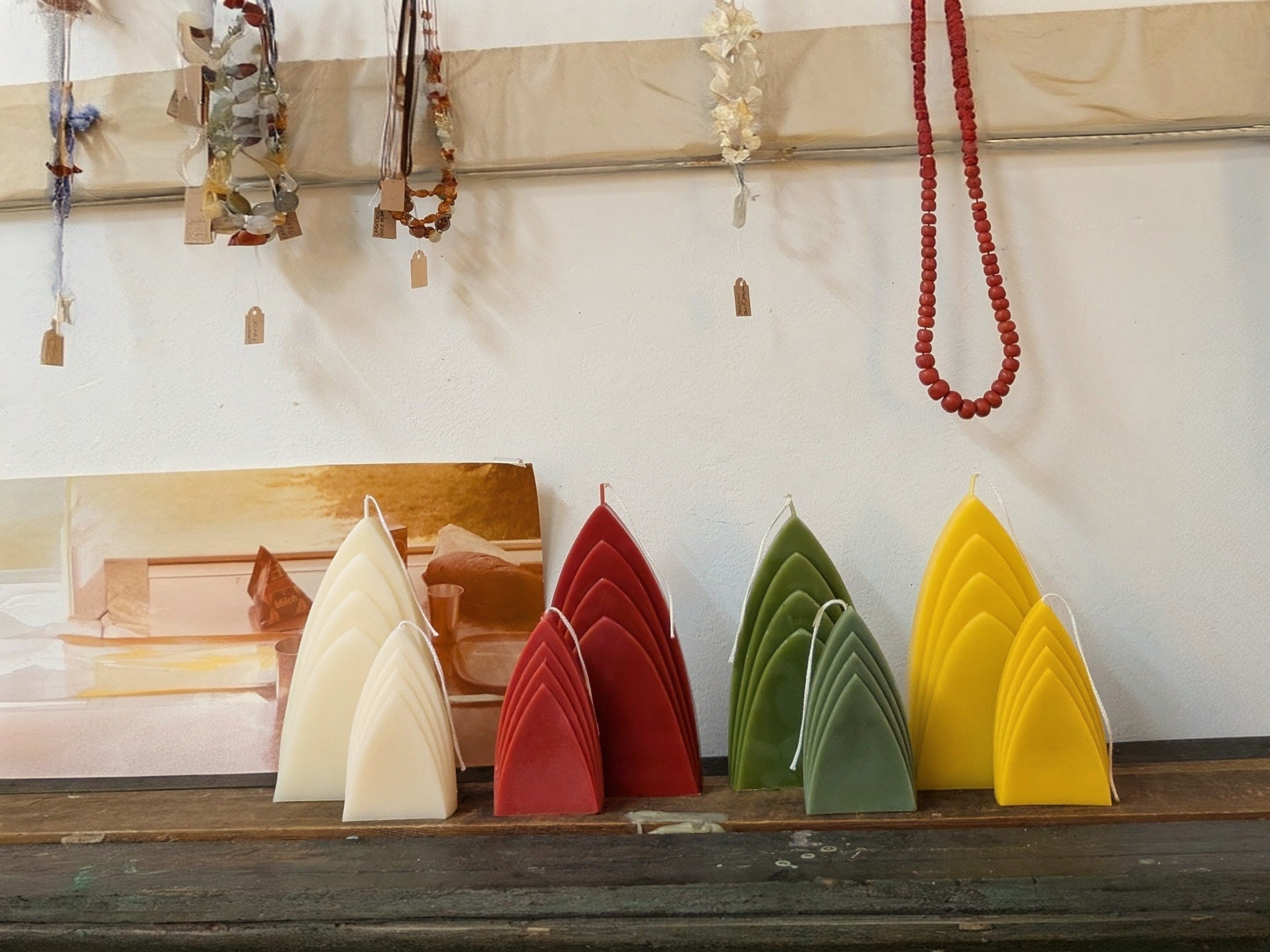
- The Table for One (or Two)
Cook one dish from home or a place you love.
One dish from where you live now.
Let your meal become a map of who you were and who you are becoming. - The Light keeper Ritual
Light a candle for every home you have lived in.
Watch the room glow with all the places that shaped you. - The Suitcase Altar
A tiny collection of objects; a photo, a spice jar, a pebble from a beach, a note.
A reminder that home can travel with you. - The Gratitude Walk
A slow walk at dusk or dawn.
One small thing you are grateful for at every turn. - The Call Home (Even If Home Is Complicated)
Not every homecoming is easy.
Call anyway.
Let the sound of a familiar voice be the bridge. - The Letter to Your Future Self
Seal a hope in an envelope to be opened next December.
A conversation across time. - The Offering
A gesture of generosity. A meal delivered, a donation, a kindness.
Giving is how we turn loneliness into connection.
Belonging as a Practice, Not a Place
In the end, the holidays are not just about celebration. They are about belonging. Not in the traditional sense of returning to a single geography, but in the deeper way of returning to ourselves.
 House of Peregrine
For many of us who live across borders, belonging is not inherited. It is practiced.
It is designed. It is tended to gently, like a small fire in winter.
A season reimagined is not a lesser holiday.
It is a holiday shaped by choice, by intention, by tenderness. A season that allows us to honour our past while embracing our present.
Wherever you find yourself this December, in a busy city, a quiet village, a new home, a temporary one, may you know this:
You are allowed to create a holiday that fits the shape of your becoming.
You are allowed to build rituals that feel like home.
And you are allowed to make your own season; one that holds you gently, the way belonging always should.
This is the holiday we make for ourselves.
Nina Aziz Justin is a writer, business traction strategist, and internationally recognised resilience mentor whose life spans five countries and more than forty cultures. She weaves eastern philosophy, neuroscience, and human storytelling into work that explores migration, identity, motherhood, and the quiet architecture of self-belonging. For more information about Nina
www.theresiliencementor.com/ Her debut book, The Home Within – A Soulful Memoir of Belonging Across Cultures and Change is available on Amazon and other bookstores worldwide. https://mybook.to/thehomewithin
 House of Peregrine