
Mickelle Weber-Founder & Auteur of House of Peregrine brings together experts, seekers and fellow Peregrines to dive deep on what living abroad means for our Relationships, Finances, Parenting & how we find and create Meaning in our lives abroad.

Sep 9, 2026
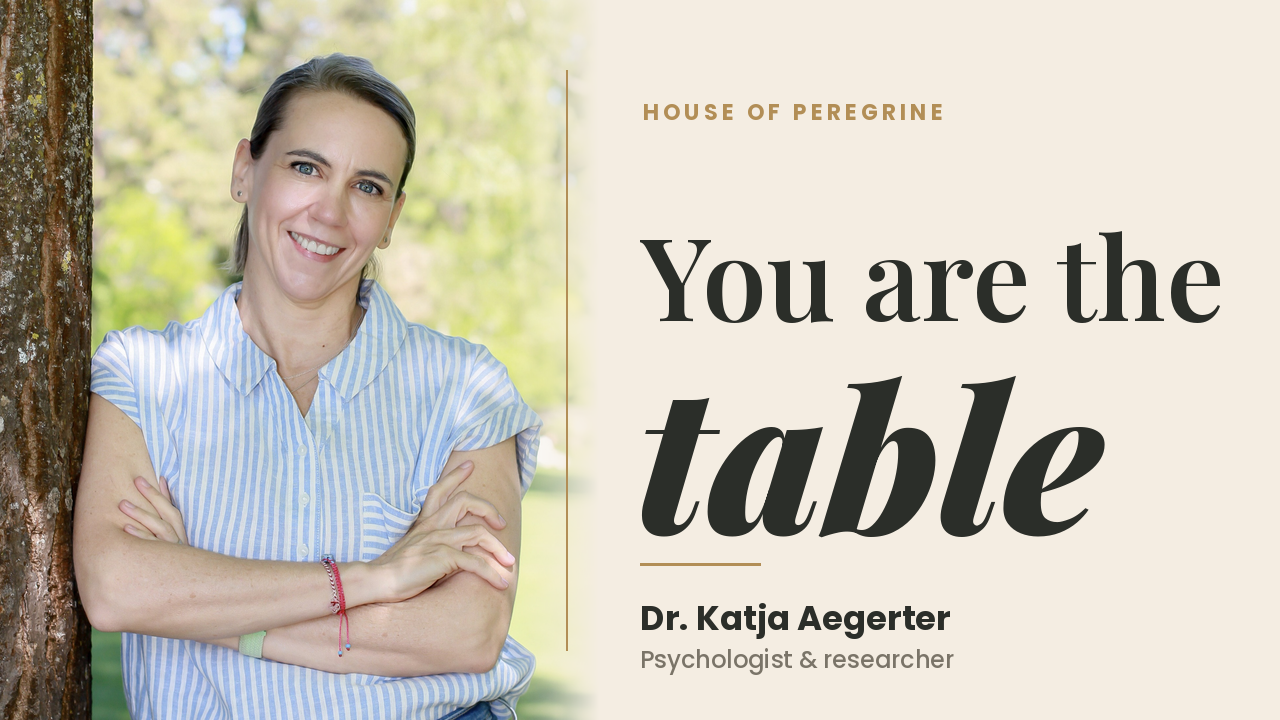
You Are the Table: The Overlooked Power of the Accompanying Spouse

Sep 2, 2026
Feeding Your Soul in a New Country: Yolanda Reshemah on the Inner Work of Moving Abroad
Aug 26, 2026
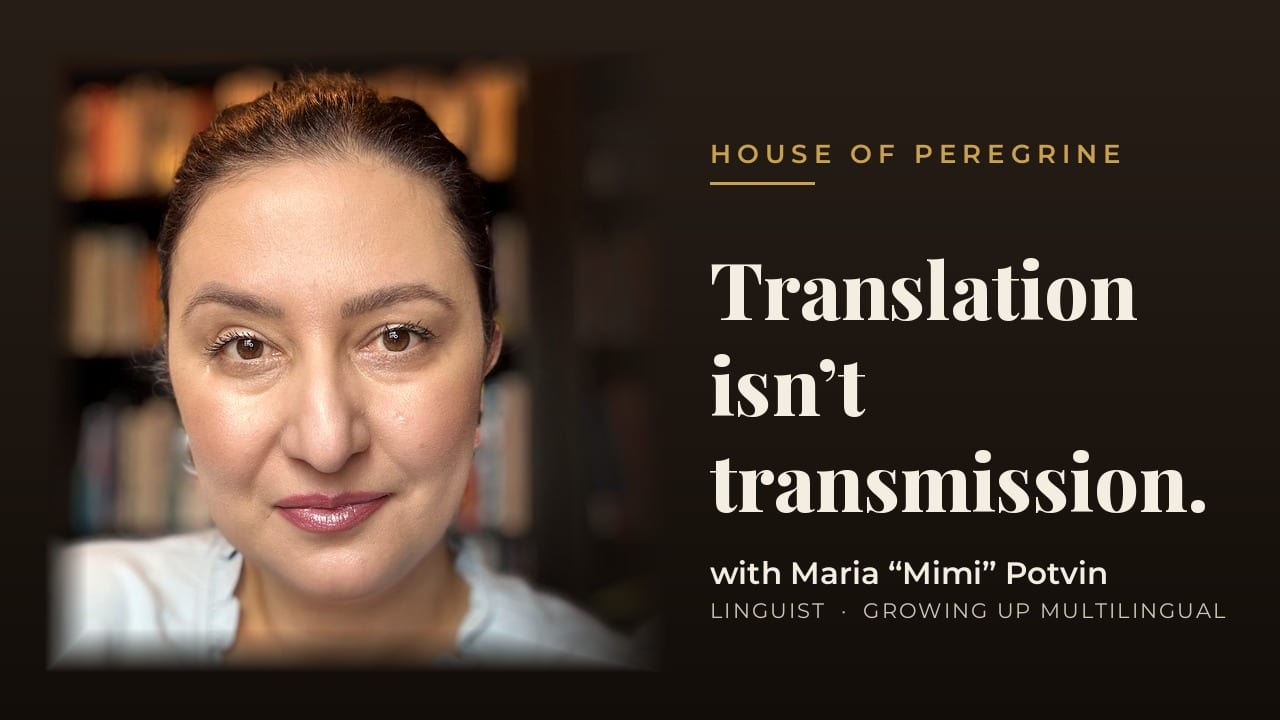
It's Never Just About the Language | Raising Multilingual Kids
Aug 12, 2026
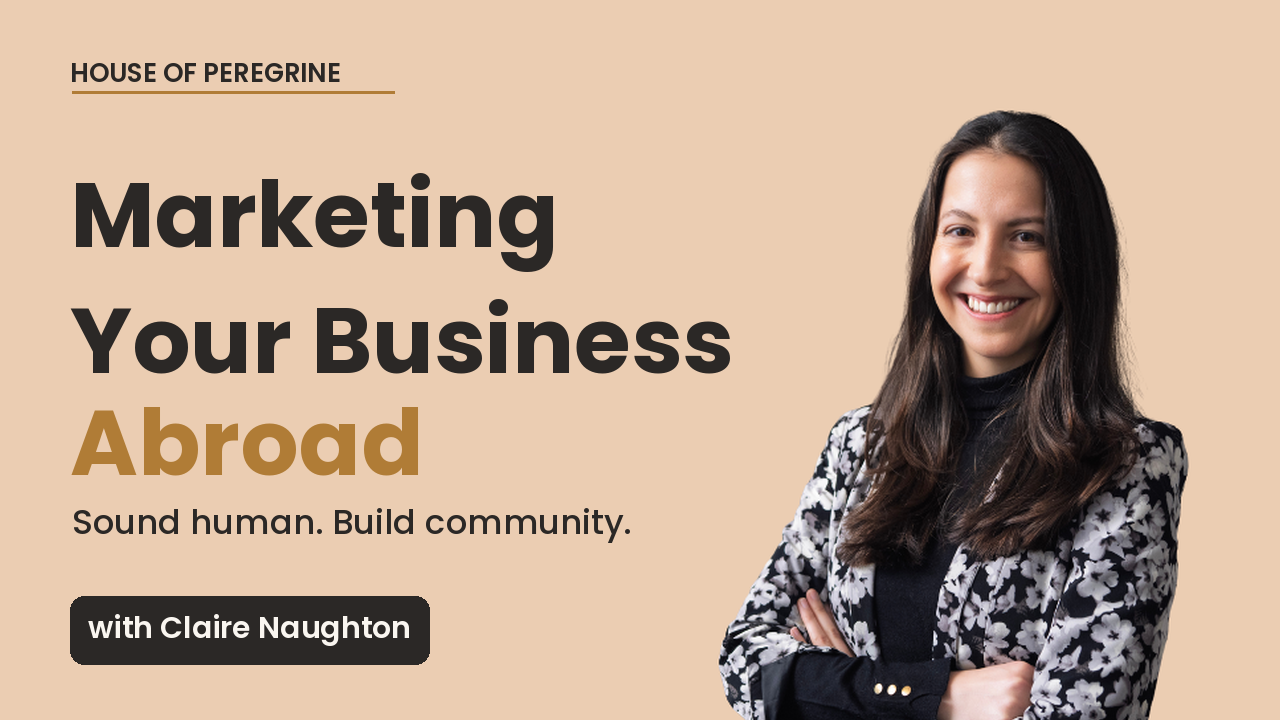
Visibility Without Losing Your Soul Abroad with Claire Naughton
Jun 16, 2026
Beneath a Borrowed Sky: Sam Frearson Tubito on the True Meaning of Home
Jun 9, 2026
Melissa Parks, Ph.D.: Identity Shifts, Breakups, and Belonging Abroad
Jun 2, 2026
Michel Bauwens: Peer-to-Peer, the Commons, and the Next Civilization
May 26, 2026
Intuition Is a Muscle: Tarot, Channeling & Recalibration with Jewel Mondros
May 19, 2026
Money Is Math (But It’s Emotional)
May 12, 2026
Distance Families: Loving Well Across Time Zones (with Helen Ellis, M.A.)
Apr 28, 2026
Community Isn’t a Buzzword, It’s Human Technology | Kemo Camara (Omek)
Apr 14, 2026
Ethical Non-Monogamy. What it is and what it isn’t (with Victoria Onken)
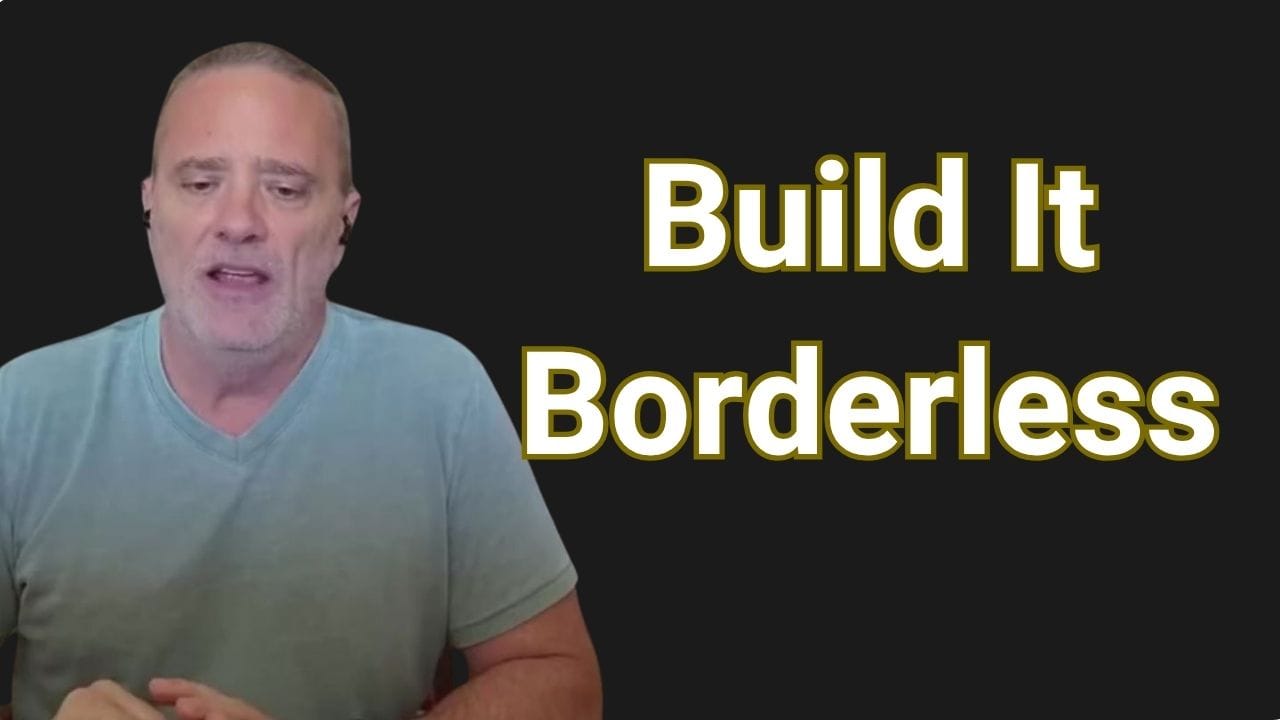
Apr 7, 2026
How to Build a Business That Moves With You (with Bobby Casey)
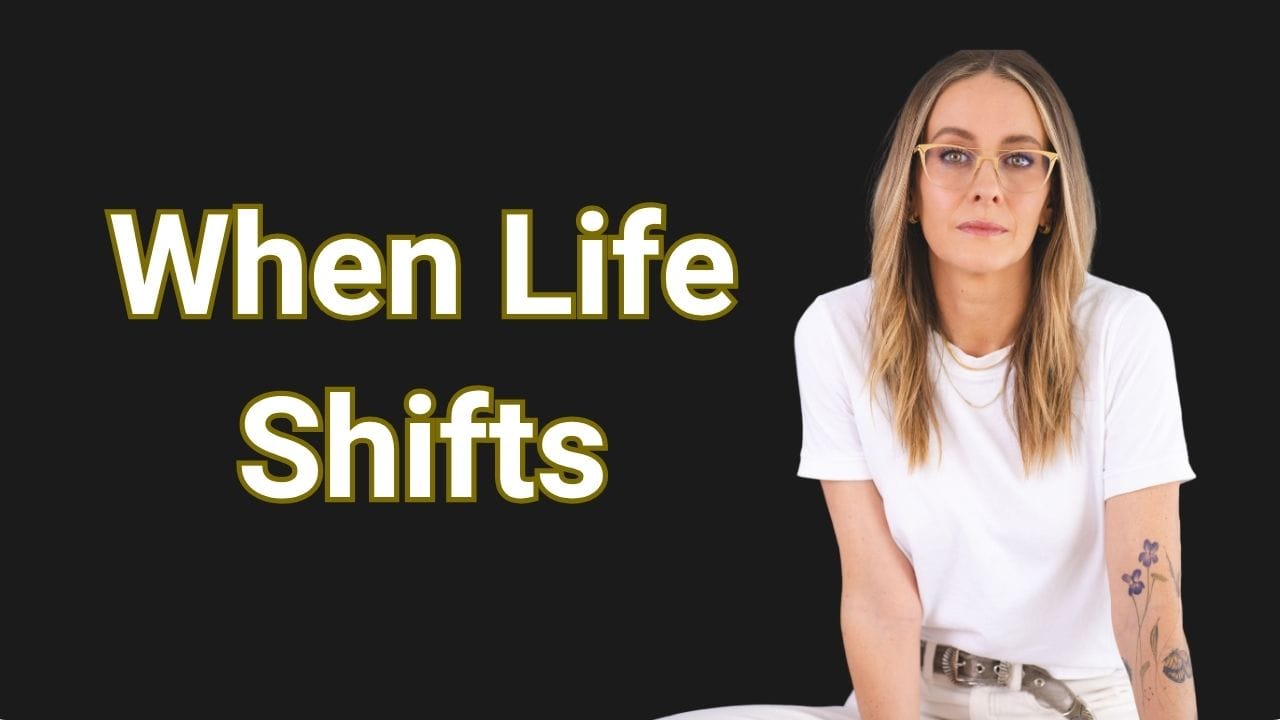
Mar 27, 2026
Moving Abroad, Motherhood, and the End of Old Rules (with Vanessa Bennett)
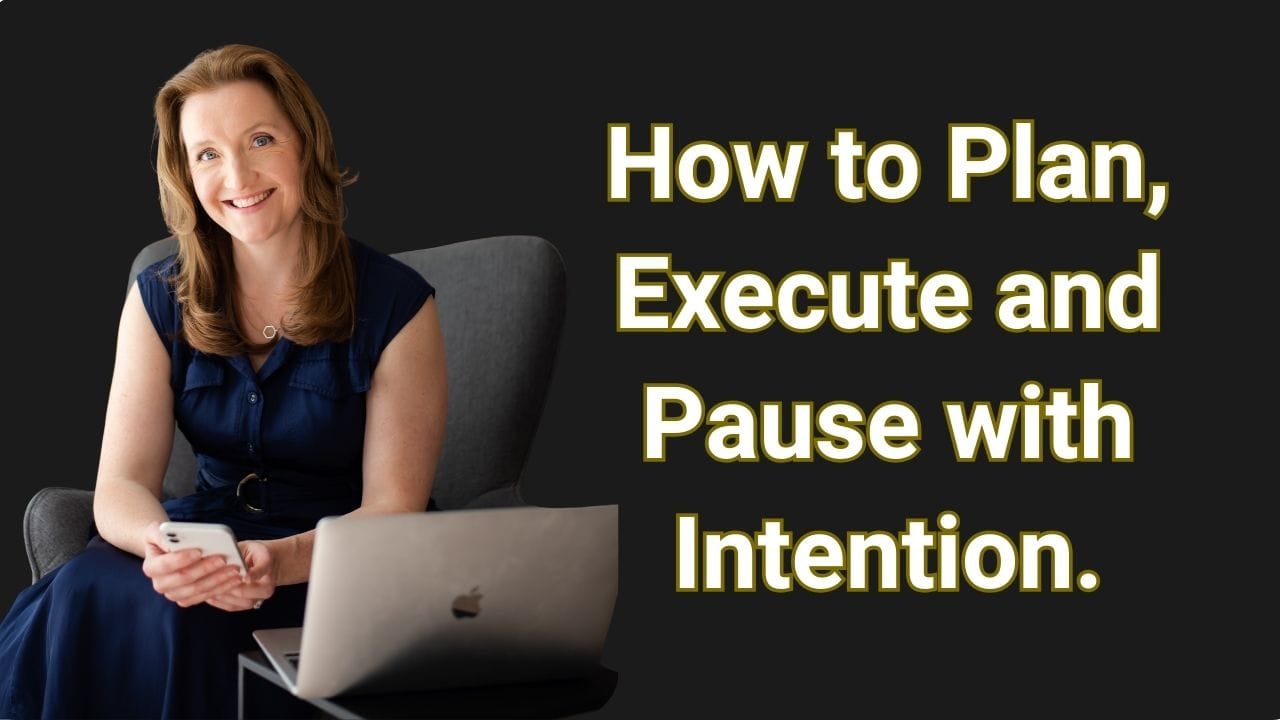
Mar 16, 2026
Take a Sabbatical! Prevent Burnout and Realign with Your Purpose
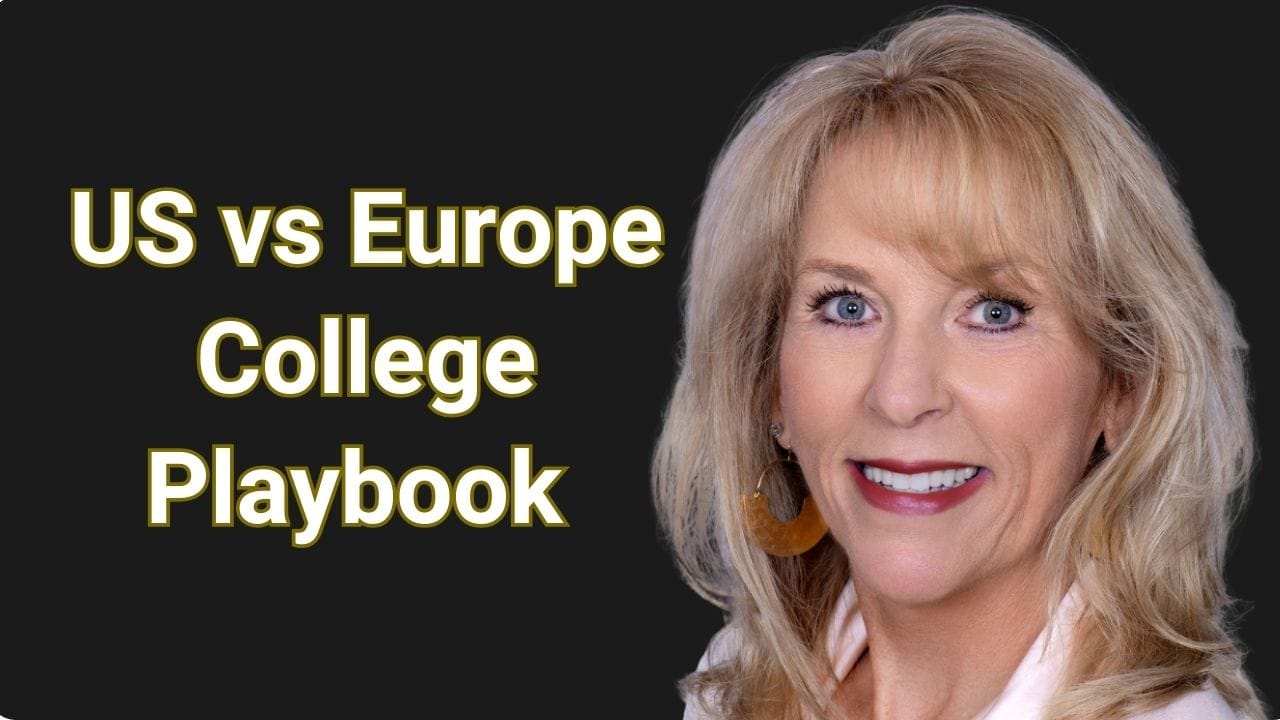
Mar 3, 2026
The International College Playbook
Feb 24, 2026
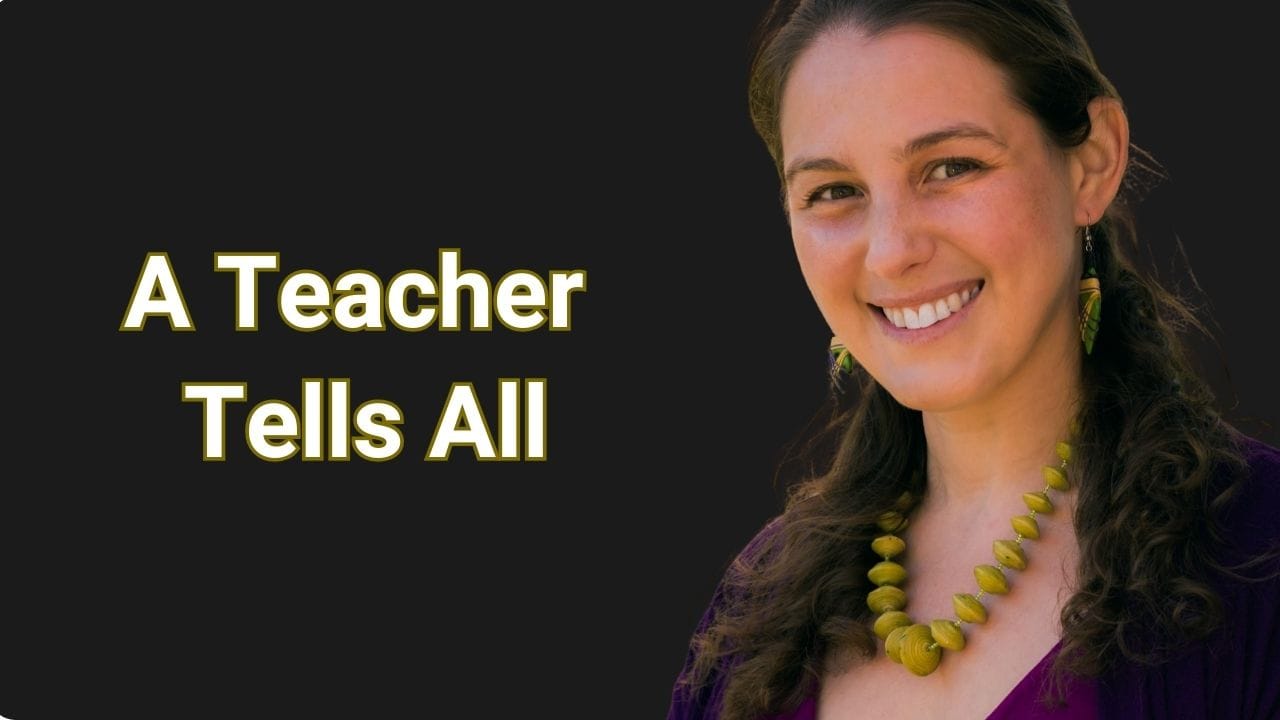
A Teachers Tells all about International Moves and Kids with Jessica Lander

Feb 17, 2026
Student Visas: A New Way to Live In Europe at Any Age!
Feb 2, 2026
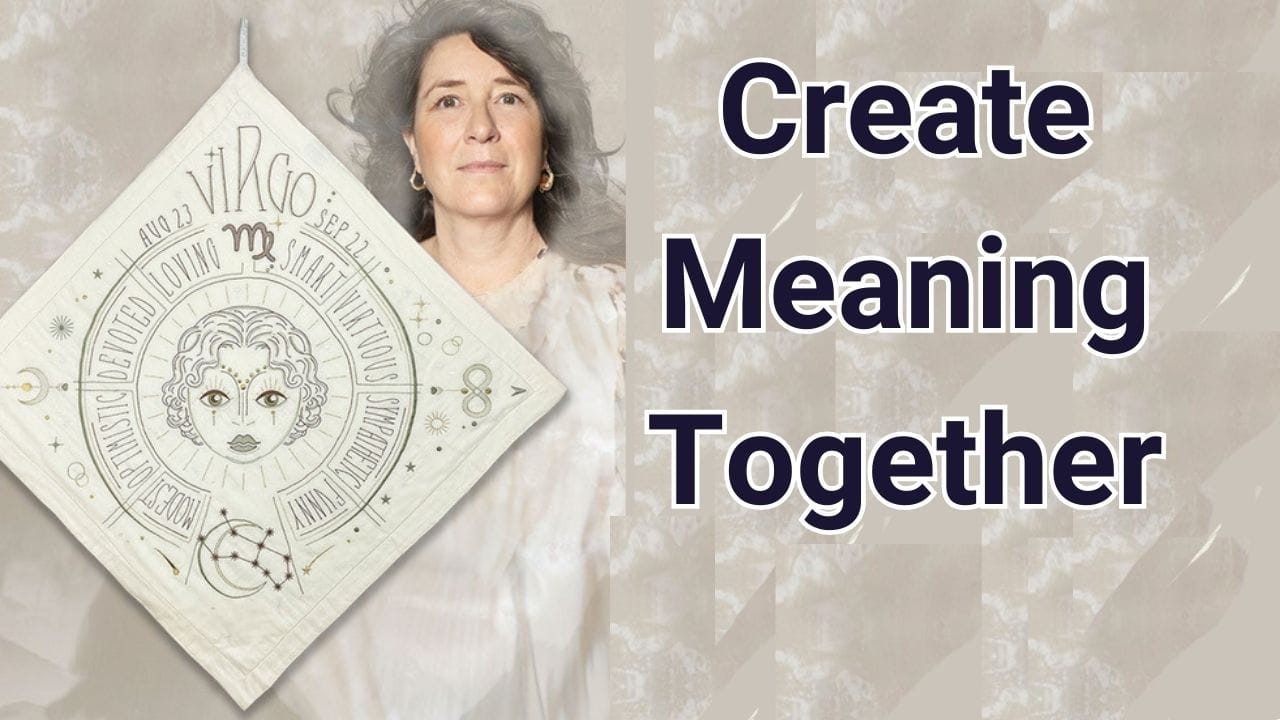
Creating Meaning: Ritual & Ceremony
Jan 20, 2026
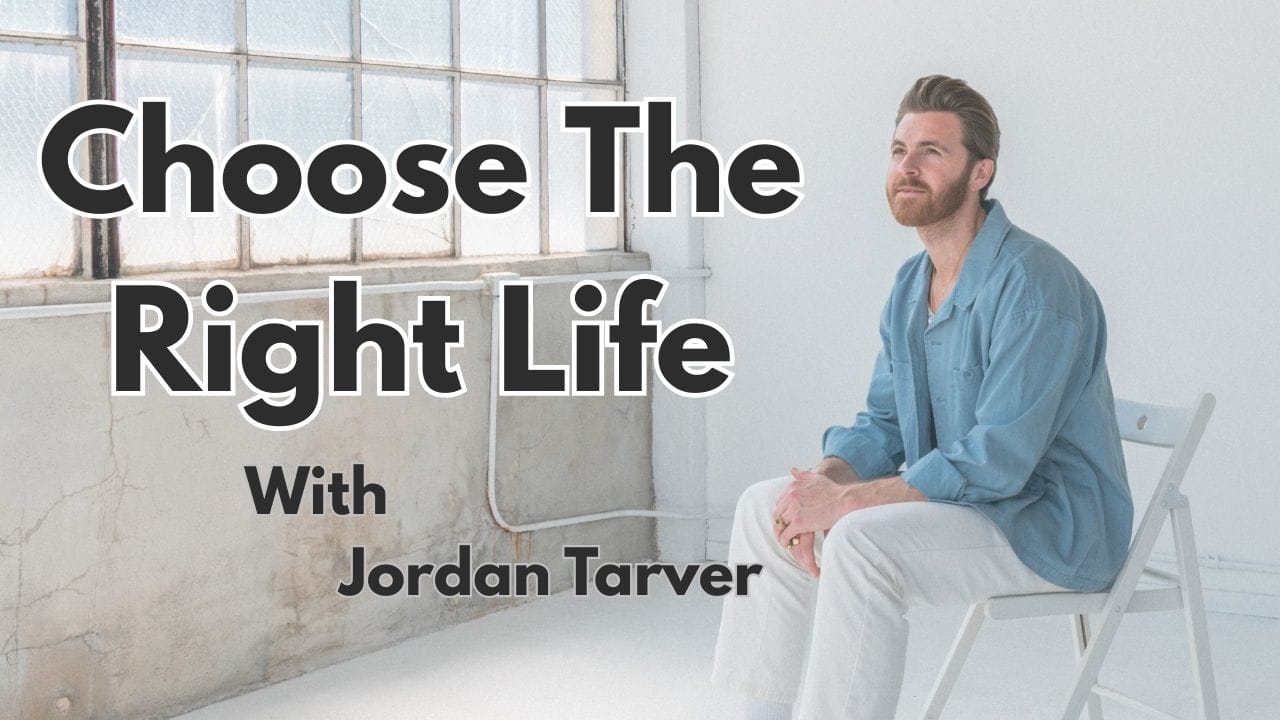
Your Life Looks Perfect, So Why Does It Feel Wrong? With Jordan Tarver
Jan 14, 2026
“Community” Isn’t a Perk: What House of Peregrine Is Really Building (with Mickelle Weber)
Dec 3, 2025
A Look back at 2025: Reflecting on What We've Built at House of Peregrine
Nov 19, 2025
Maintain Your Edge Abroad: Elite Performance Coach on the Tradeoffs you Cannot Afford To Make
Nov 4, 2025
Personal Finance Strategy for Life Abroad

Oct 21, 2025
The Burnout Breakthrough: Navigating Life's Initiations with Lara Ferreira
Oct 7, 2025
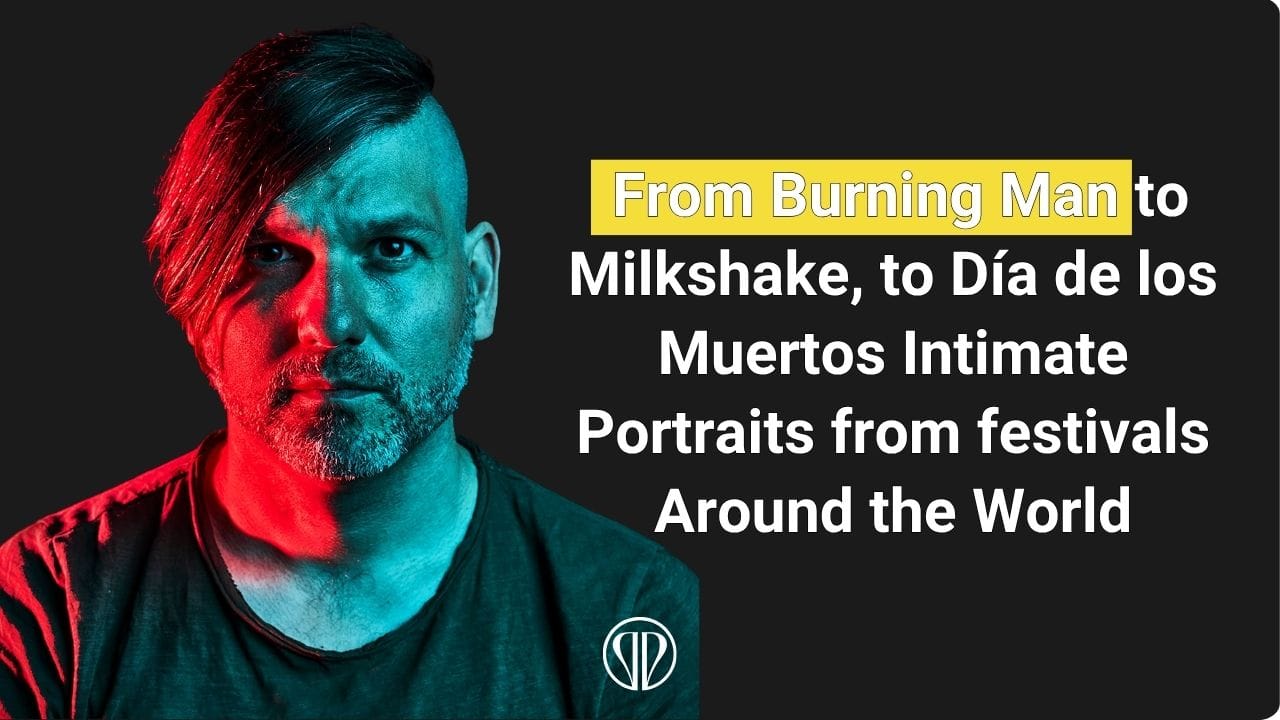
HOP Artist of the Year: Darren Smith, His New Book: Mayflies: Intimate Portraits from Global Festivals and How Living Abroad is Like One Big Global Danceparty.
Sep 30, 2025
Secure Attachment: Breaking Toxic Cycles While Parenting Abroad

Sep 23, 2025
New Visa Policies: The Future of Global Work with Dr. Kaisu Koskela
Sep 16, 2025
Move. Breakup. Loose Job. Loose Visa. Lose Yourself. Find Yourself. Repeat.

Sep 9, 2025
Pleasure, Power, and Becoming, Abroad with Jessica Stahl of Vanillacooldance

Sep 3, 2025
Somatic Healing: Learn What Your Body is Trying to Tell You!

Jul 9, 2025
Beyond the Podcast: What HOP is building for Life Abroad
Jun 25, 2025
Beat the Odds: Essential Conversations For Couples Abroad
Jun 18, 2025
Decentering Work, Recentering Values
Jun 10, 2025
Profit + Purpose: Financial Success as a Startup Founder

Jun 2, 2025
Is Burnout Real? What it is and How to Heal
May 26, 2025
Retire Rich in Freedom with Eva Noelle Fassbender

May 20, 2025
What They Don’t Tell You About Money and Living Abroad

May 12, 2025
Do Third Culture Kids (TCK’s) lack identity? The Life of a TCK Therapist

May 5, 2025
Divorce Abroad: Real Talk from an International Divorce Lawyer

Apr 29, 2025
Beyond Your Birthplan Abroad: Brooklyn Brownstone of The Labour Dept

Apr 22, 2025
Why Your Relationships are Failing - And What to Do About It (with Astrid Niels)

Apr 14, 2025
Moving Abroad with Intention with Jen Barnett, CEO Expatsi
Apr 7, 2025
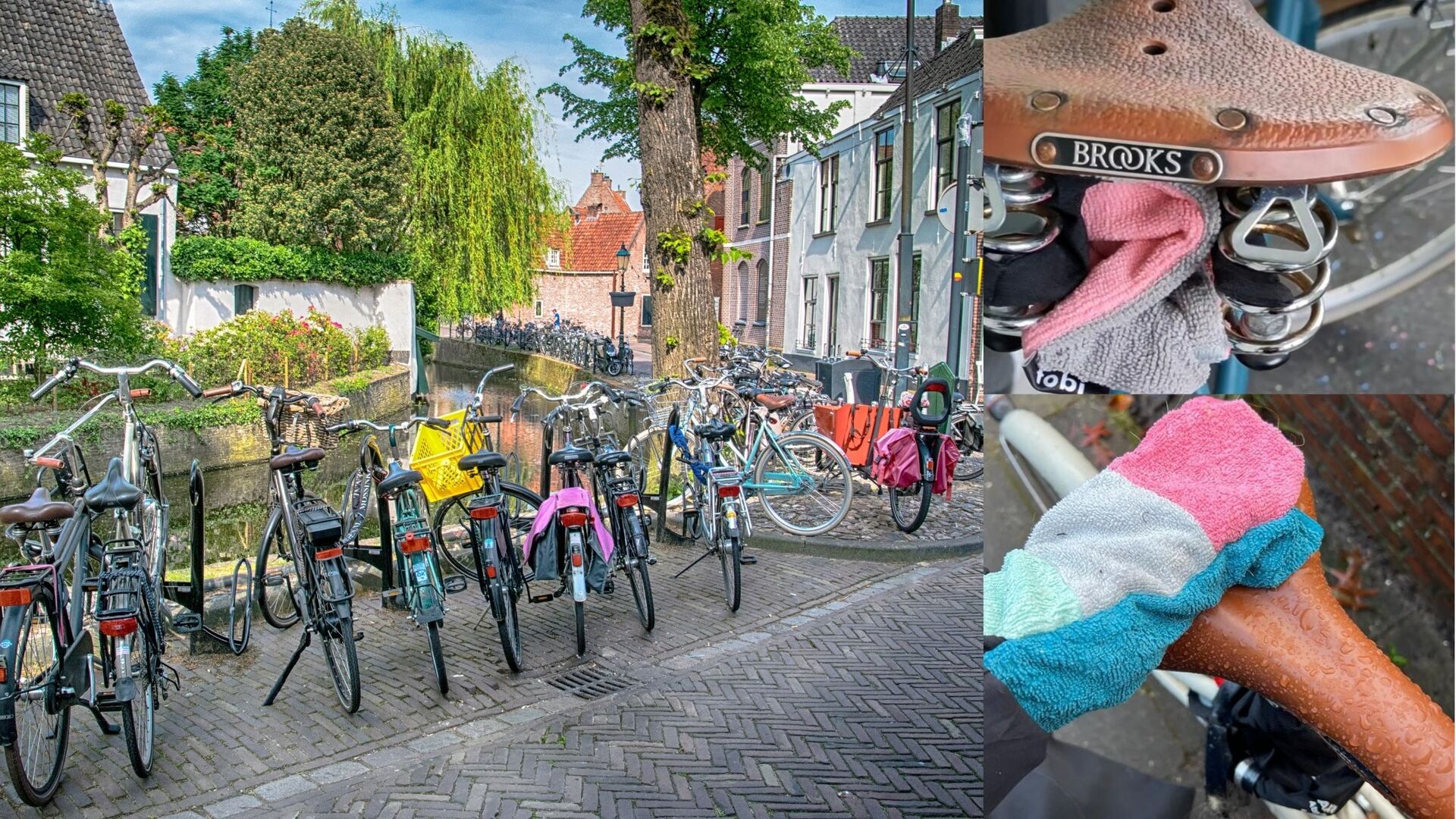
Bikes And The Good Life: Melissa & Chris Bruntlett on Designing For Vitality & Freedom Around the World

Mar 28, 2025
Inside AuDHD: A Conversation with ADHD Coach Yann Ghisalberti
Mar 26, 2025
Designing a Life You Love

Mar 12, 2025
Flower Bike Man

Mar 12, 2025
Raising Kids Across Continents

Mar 4, 2025
Smart Money Moves
Feb 26, 2025
Language, Expression & Location Independence

Feb 12, 2025
Future of Wellness

Feb 12, 2025
Second-Guessing Your Life Choices

Feb 4, 2025
Emotional Landscape

Jan 29, 2025
Find Your Purpose
Jan 22, 2025
The Power of Astrocartography
Jan 15, 2025
New Season

Dec 11, 2024
End of Year

Nov 27, 2024
Buy the Plant

Nov 27, 2024
Build Your Team

Nov 20, 2024
Living Globally

Nov 6, 2024
Personal Style
Nov 6, 2024
Move to NL

Oct 29, 2024
Pets Abroad!

Oct 23, 2024
You Smell Gorgeous

Oct 16, 2024
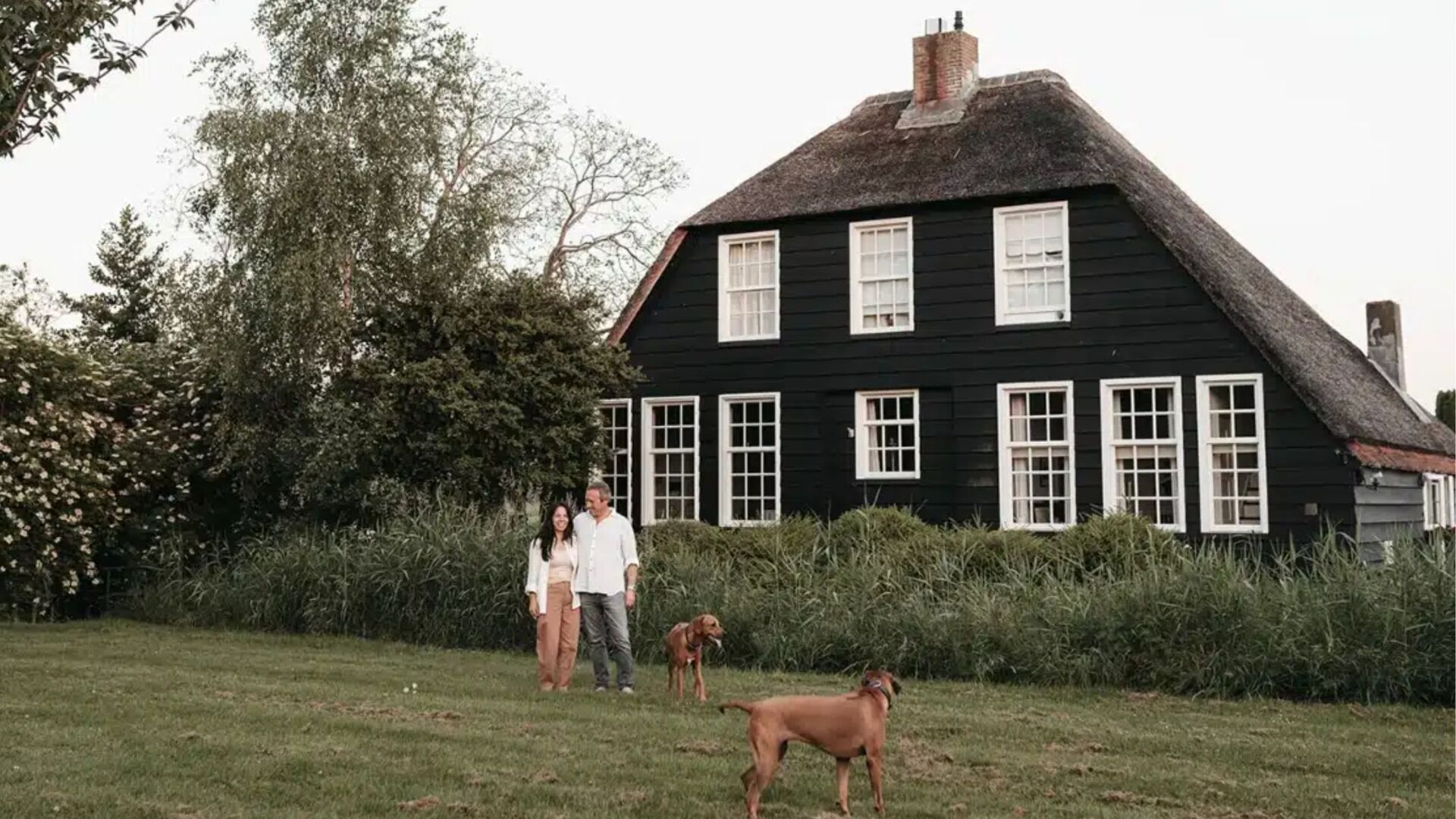
Navigating Global Finance
Oct 9, 2024
Psychedelic Assisted Coaching

Oct 2, 2024
Navigating Life Abroad

Sep 18, 2024
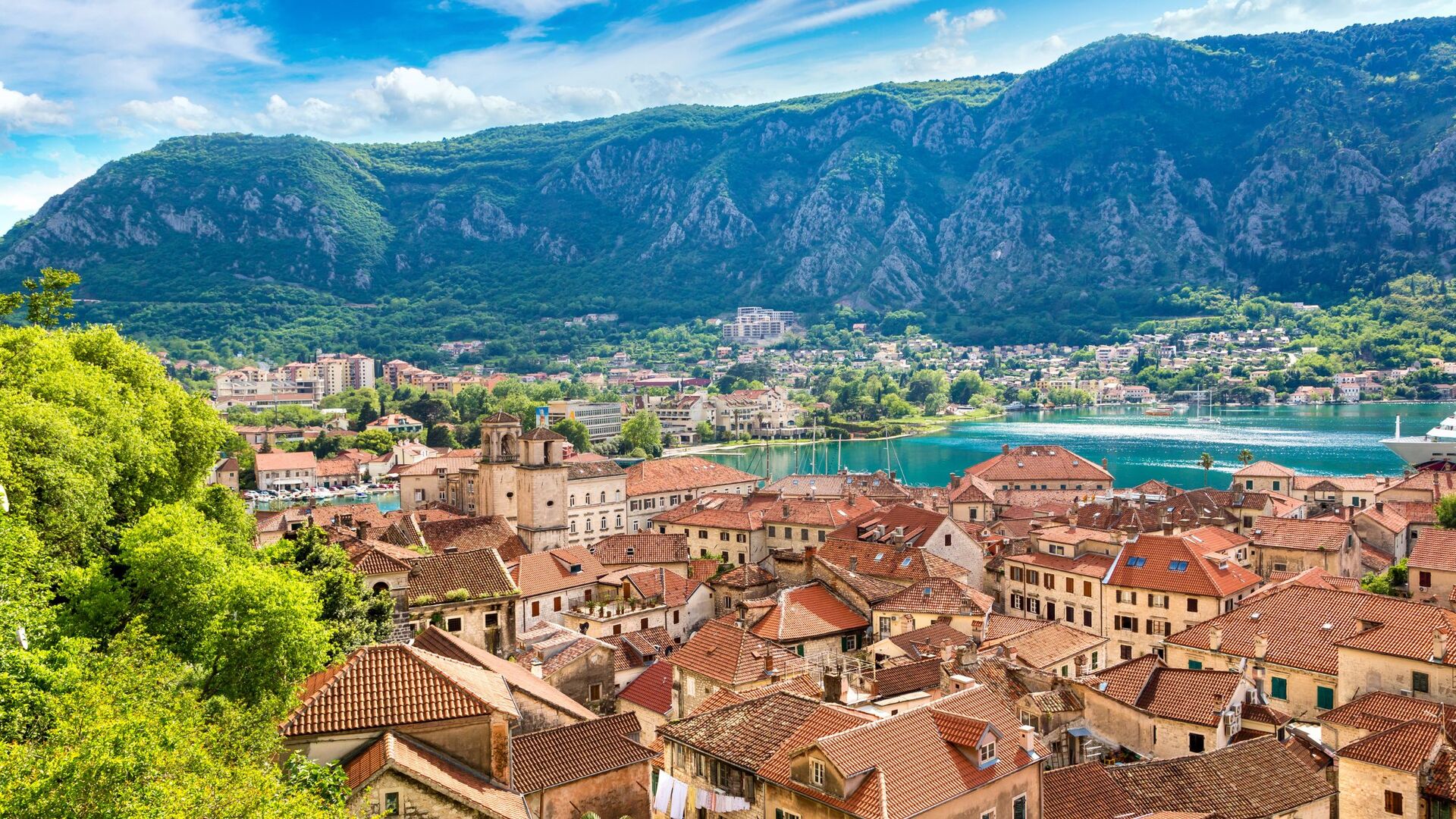
It's Now with Mickelle Weber
Sep 18, 2024
Building a Boundless Future

May 29, 2024
Knowing Ourselves Intimately
May 29, 2024
Creative Reinvention
May 29, 2024
Message from Mickelle

May 21, 2024
Dutch School System

May 15, 2024
The Goodnight Train

May 8, 2024
Living Bi-Locally

May 1, 2024
Ending a Chapter

Apr 23, 2024
The Expat Mindset
Apr 17, 2024
Creating Novel Products

Apr 10, 2024
Knowing Your Worth

Apr 3, 2024
Unlocking Local Integration

Mar 27, 2024
Becoming a Person of Color

Mar 20, 2024
Re-Imagining Luxury Travel
Dec 13, 2023
How Web3 Can Change Economics
Nov 29, 2023
Exploring the Psychedelic Infusion

Nov 22, 2023
Psychedelics and Relationship Growth

Nov 15, 2023
Global Tax Optimization

Nov 8, 2023
Living abroad is an Additional Lifestage
Nov 1, 2023
The Book You Need to Write

Oct 25, 2023
Learning a Language
Oct 18, 2023
Poetry in the Streets

Oct 11, 2023
Eileen Hausel: Young Expat Services(YES)

Oct 3, 2023
Welcome Home

Sep 27, 2023
Katja Aegerter

Sep 20, 2023
Double Dutch
Sep 8, 2023
Alex Ingrim MCSI

Sep 7, 2023
Living Abroad

Sep 6, 2023
Level Up Romance
Oct 10, 2022