
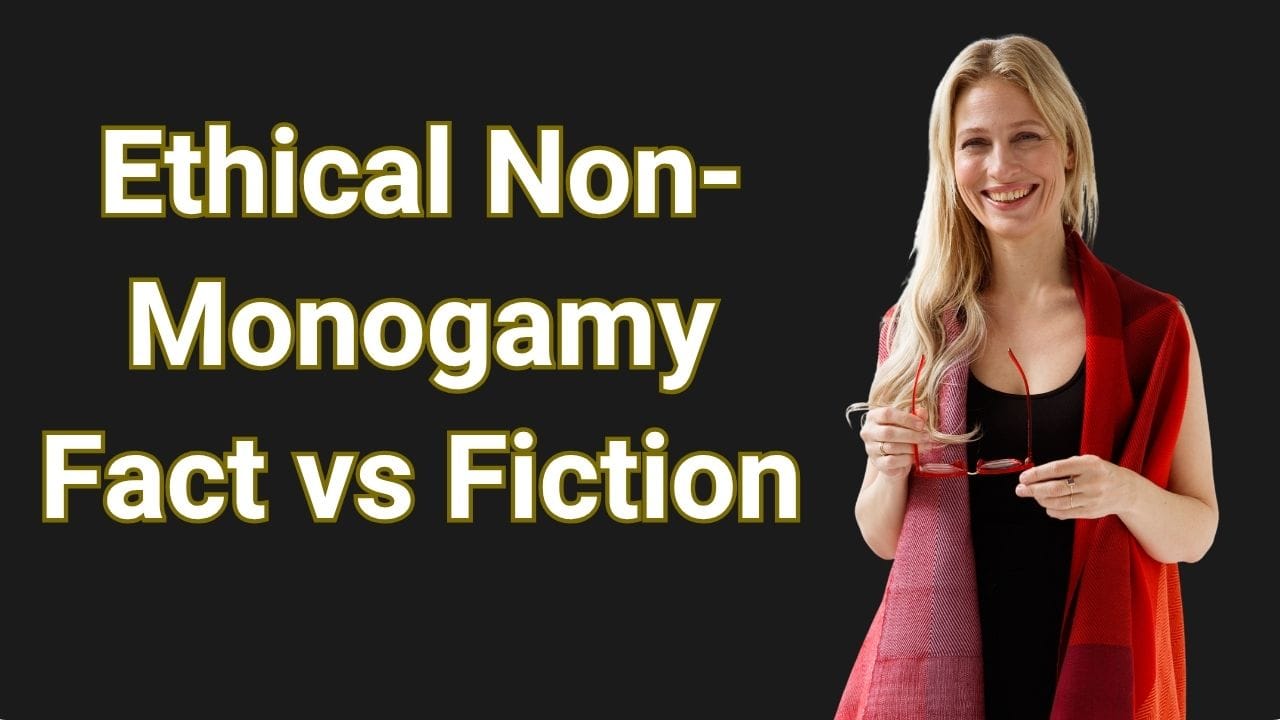
Victoria Onken (00:00)
if somebody comes to me and says, I want open relationship, that's an opening sentence. This is not point. There's a whole conversation afterwards. We talk about the reasons and often...
It's completely different outcomes. So they think they come in for opening up relationship, but actually when we dig deeper, it's something else that they need.
House Of Peregrine (00:50)
Betrayal isn't only cheating. It can be that someone stops investing in the relationship and doesn't name it. Living abroad shifts everything, identity, belonging, even love.
Can you explore other relationships and stay ethical? Opening a shaky relationship won't fix it. It magnifies it. Ethical takes more, not less energy.
and welcome back to the House of Peregrine podcast. Today we're talking about ethical non-monogamy abroad, a topic that's more common than people admit and often a lot more nuanced than the stereotypes. Because when you live internationally, you're not just changing your address,
You're changing your context, community, identity, routines, even the rules you grew up with. Sometimes that brings up big questions for couples. How do we keep growing without losing each other? What do we do when we find that we can't find each other? My guest today is Victoria Onken, a relationship coach based in Amsterdam who specializes in supporting individuals and couples, exploring ethical non-monogamy and open relationships with guidance that's clear, compassionate, and practical.
What I love about Victoria's work is she's not here to sell non-monogamy as a cure-all. In fact, she jokes she often tries to talk people out of it because it's a really intense way of relating, especially when doing it ethically and it requires more trust, more communication and more responsibility. If a relationship is already unstable, opening it usually does not fix that. It amplifies what's already there according to Victoria.
She also offers a reframe I haven't stopped thinking about. Betrayal can come in many forms. It's not only cheating. Betrayal can also be when one partner stops investing in the relationship, disengages or leaves the emotional labor to the other person. We're also going to talk about why being abroad can make exploration feel sometimes easier or make it harder because you can be more secretive.
and why the entire point of ethical non-monogamy is clear agreements, real consent, and actually honoring your partner and your relationship. So whether you're monogamous, curious, already open, or just trying to understand what this really looks like in real life abroad, this conversation is for you. Victoria, welcome to the show. I am so excited to talk to you today.
Victoria Onken (02:57)
Thank you for having me.
House Of Peregrine (02:58)
So I wanna start by just some, getting some things out of the way. This is a very triggering topic, it can be. I know you know that from your social media account, but non-monogamy is pretty common. Ethical non-monogamy is what we're talking about. So can you describe the difference?
Victoria Onken (03:18)
Yes, so of course when we think about... So first of all the term ethical non-monogamy. mean as if we hold monogamy to an ethical standard, which is as we know is not true. I don't have statistics, but we all know what percentage of people actually commit adultery in the relationship. So the idea of ethical non-monogamy is very broad. It's an umbrella term.
So it can start from a couple actually just talking about it. That's already kind of the idea of, you know, having someone else in the relationship. That's already somewhat a step and for some it's enough to...
House Of Peregrine (03:59)
Right. So if I could say it simply,
maybe you can correct me, non-monogamy means a lot of things. So that's cheating all the way to ethical. But what we're going to talk about is how to do this in an ethical way, which means that you are doing it with clear agreements with your partner, consensually. Yes. So when someone cheats and their spouse doesn't know, that's not ethical non-monogamy. That's just non-monogamy.
Victoria Onken (04:14)
Consentually. So it's, yeah.
That's not
very unethical and...
it's not because it's not consensual. So the only difference is that it's consensual, which means that both parties talk about intentions and desires and agreements. So it feels safe. And when you cheat, when you have some sort of relationship without that person knowing, it's a break of trust. And relationships are all about trust, whether it's business relationship or romantic relationship.
And I think therefore it's more a real way of relating and honest, however, more complicated way of relating.
House Of Peregrine (05:04)
Right. So I can imagine, and we'll get into your story. I want people to hear your story because it's really, really good. But I can imagine it's in the news a lot, ethical non-monogamy. And I know in my life abroad for 10 years, it's even more prominent when you, maybe not more prominent, but it is very prominent when you live abroad to find different parts of yourself or want to.
And so I can imagine there's a lot of couples who come to you saying, we're bored with each other or individuals, I'm bored with my relationship, I wanna open it up. What do you tell these people? Like because they've heard it or they think it's going to bring spice back into their relationship somehow, what do you tell people when they come to you? How do you guide them?
Victoria Onken (05:49)
Well, first of all, I want to make sure that their intentions are solid. So it's not a way of fixing something. It's not a way of putting a plaster on a gushing wound, as to say, that they are okay as a couple. They know how to communicate. They are honest with each other. And most importantly, it's not just a wish of one partner.
because what can happen often is that one partner really wants it and then the other one is basically caused into it with the idea of if they don't they will lose the spouse and that's a very very unhealthy way to begin something like that.
House Of Peregrine (06:27)
Yeah. And is it usually, do you see more men or more women coming, wanting to open a relationship?
Victoria Onken (06:33)
So yeah,
so it's mostly it's a lot of men, some women, many men and what men don't realize and this is a little nugget for any woman who is approached by the husband statistically
proven that it's way easier for women to get a date. So many times what happens is the couple opens relationship because of the husband's desires, but
The men find it very difficult to get a date and the women don't. Women have a lot, a lot, lot of success in online dating and it's tied to many, factors, but that's the bottom line and men are often surprised and many, many times when partners want to open the relationship, they fail to really, really imagine their partner also going on a date, also having a relationship. They just at that moment think about themselves, which is lovely.
You think, I can have all this newness and maybe they already have somebody in mind. That also can happen. That's also very important to make sure that they don't just see this as an ethical way of cheating, as kind of a hall pass to get off with somebody they already have an eye on.
However, they can experience feelings towards someone that say, I noticed this in me. This is something that I wish to explore. How do you feel? But a couple should be able to handle really visualizing both partners having an extra relationship, but not just one.
House Of Peregrine (08:00)
Yeah. And I think that that's such an important distinction you made. This isn't an excuse to cheat. Like that's not what you're, that's not what you're helping people to do well. and so why don't we get into your story a little bit because you're
You're a Peregrine, you've lived in many places around the world, and you have a beautiful relationship with your husband. So can you tell me a little bit about your journey?
Victoria Onken (08:31)
Right, so I was born in Russia in a very conservative, intellectual family of engineers. So I was very much exposed to the idea of marriage to very specific partner equals to your success. And that was drummed into me. There was no alternative models of relationships. You were either single,
or married. There was not even a possibility, I think, of living together at that time. So when I was 12, we immigrated to Israel. And also another conservative country where family is everything. So everyone has three to four children.
again very much husband and wife, there's no alternatives. So when we grew up with models of relationships like this, we kind of accept that, you know, there is no other way. so when I was together with my husband of back then 17 years, I believe together,
We were kind of thinking about our life and we really loved each other and wanted to be together. And, but we also wanted to experience a little bit different things. So he wanted to have, for example, more children where I wanted to have more interactions, culturally, just do different things where he might not enjoy, you know, for years I begged him to go take salsa dancing with me, but it's just not his thing. So I started to.
read about and so did he. We started to read about different models of relationships. We loved each other so much. I actually offered to, so I said to him first because I didn't know any better. I said, you know, we should separate because I want you to have a family and more children and I want that for you. I love you so much. And so we went to couple therapy.
House Of Peregrine (10:04)
Yeah, because you loved each other still. You didn't want to, yeah.
Victoria Onken (10:23)
and we both agreed that we actually love each other so much and we don't want to break up. So then we started to look into different models of relationships. Actually it was my husband who started to read. I didn't even hear, I didn't even know there was like a whole buffet of options, right?
Yeah, so I just thought, you this is something that we have to live with. And of course, you know, the passion doesn't stay after 17 years. Nobody expects it to. But does that mean that, you know, that's it? Or you only do certain things together because that's how you are.
And is that it? So I was thinking philosophically, you know, we live longer as humans. maybe the model that used to work previously just is not for everyone. And because I'm such a versatile person with so many different hobbies, it makes sense that, you know, I would also be attracted to different people. And being attracted to different people to me doesn't mean that I cannot have a very, very deep also relationship.
It's not mutually exclusive. And so after reading all the books we went to we decided to open up our relationship and We did we made all the mistakes under the Sun, you know, we didn't have anyone to guide us Sadly, we didn't know there were coaches or therapists that specializes in in this kind of relationships So we made all the mistakes But luckily we went through them and
We also realize that relationships do shift, you know, sometimes over the years when you're together for a really long time, your relationships may look different, you know, people may go through different periods of diseases or they may change as people or they want to maybe change the way they live and
loving somebody is also supporting them in that and not selfishly holding on to the version that you think suits you. You actually support your partner in the growth that they need and they support you in the growth that you need. Ideally.
House Of Peregrine (12:29)
Yeah. Yeah. Ideally. Yeah,
ideally. that's a that's a very tall order and something that I think is emerging in relationships more over time. Our parents, I was born in the US. That was the model I was given to was you just stick it out. You just stick it out. And that's admirable. But it's maybe not the only option. And so I think that this happens to everyone. And then also when you move abroad and I don't know, did you and your partner move?
abroad together or you did you meet here? ⁓
Victoria Onken (12:58)
We met here, but the problems,
it's a similar issue that you see that you're exposed to completely different culture. So everything is quite more open here and you think, ooh, this is interesting, is this something for me? And how would my parents react or how would my community react to this? ooh, it's a new world, right? So, yeah.
House Of Peregrine (13:21)
It's a new world, but also
what happens sometimes is people move abroad for one person's job and that person's growing this way and the other person's learning the language and you're just evolving so fast if you let yourself. And so I try and encourage people to really have these conversations like we're going to change. Do we want to do it together? That means some scary conversations potentially. One of them is like, what happens if we get divorced?
Like we need to come up with that before we go because the incidence of people, couples abroad who divorce is much higher than the average, which is already high. And that doesn't have to be the only option, but I really love people to have this skill of having open conversations that maybe you can get by without if you stay in your home country, maybe. And people are still practicing ethical non-monogamy in their home countries. That's not what I'm saying, but what I want to...
get our audience to is slowly bringing these skills to bear because ethical non-monogamy is one thing you might need to be talking about, but there's so much that you need to bring communication skills to because there's just a lot more you're dealing with as a couple if you are a couple abroad. And so that is, I think it's beautiful that we get the chance to change again at living in another country because
I always say there's like life stages if you stay in your home country that you kind of follow. And I think each country you go to is an additional life stage where you learn more about yourself. You learn more about your partner, your kids, your paradigms and relationship is one of those, I think. And so I love that you have this experience and it was after you were together a really long time. And like you said, the paradigm is either get divorced if you're not happy now or
just stick it out and be resentful of each other and what you're missing out on. And that, like you said, it was salsa dancing. You didn't want to, it wasn't that you wanted to sleep with other people, you wanted to go salsa dancing. That's.
Victoria Onken (15:23)
also,
I have a friend who literally came from a very conservative country and she just realized she met her husband fairly young and he was probably one of the only people she slept with. So yeah, she realized that she is in very open-minded country and she was wondering what it would be like to be with other men. So for her it was purely sexual and for her husband it suited it because when you start having relationships with someone
else. That's very threatening for people. Funny enough, a lot of people are okay with just sex, but when it starts the idea of emotions and you emotionally attach to somebody else and not just to your partner...
House Of Peregrine (15:59)
you
Victoria Onken (16:07)
that's I think where the jealousy, the possessiveness, the insecurities lie and that's why people, that's the biggest mistake people think, we're gonna open the relationship and I went through this and I'm not jealous, I'm fine. But the second people get attached, yeah, it's a big surprise. Yeah.
House Of Peregrine (16:28)
big surprise. And so
when an individual or a couple comes to you, tell me the process you walk them through a little bit. They say, it doesn't matter almost if it's an individual or a couple coming to you. The process is probably similar. How do you walk them through that? What is that you're giving them ethics, but also what you never had, which is someone to kind of help you prepare. Yeah.
Victoria Onken (16:41)
Hmm.
Yeah.
Support,
yeah, support. In retrospect, what we did was crazy because you don't go to the gym, if you've never been to the gym and start lifting weights, right? You do ask, how does equipment work? What is the right weight for me? What is the trajectory? So I think it's important to have support in something like this, whether it was books or with therapy, but...
So usually when people come to me, I first make sure that they know how to communicate. It's a basic communication skills where you're able to listen to your partner.
without jumping in, that you're able to communicate your own emotions, that you can articulate your needs. Because if somebody comes to me and says, I want open relationship, that's an opening sentence. This is not point. There's a whole conversation afterwards. We talk about the reasons and often...
It's completely different outcomes. So they think they come in for opening up relationship, but actually when we dig deeper, it's something else that they need. So first, we establish that, establish talking and communications. And then afterwards we start...
House Of Peregrine (18:00)
well.
Victoria Onken (18:07)
kind of drafting basic picture of what it would look like. know, we start like role playing or kind of making little movies in our head, like what would it look like? And then each person kind of tries to feel with the body when the other person talks, you know, says, you know, imagine we're a couple and I say, you know, I will go on a date with a man and I would love to go dancing and I would love for him to kiss me.
And in the same time, partner needs to feel what kind of feelings arise when they kind of play that movie in the head. So this prevents many triggers. And next thing we do before opening up the relationship is we'll make a list of kind of, I don't want to call it rules, but more agreements. And this kind of agreement is not set in stone, but it's something that can be discussed because not everything is going to work.
But all this gives safety in a very stormy sea. So you're of opening into a big, wide ocean, and you want to have a bit of like, so-so little raft that supports you. And I also teach people to check in with their partners, actually to invest in the quality time within a couple. Because if you don't do that, and you outsource all your free and fun time to others, your relationship will suffer.
House Of Peregrine (19:24)
Yep.
Yeah. And that is, I think it's just, it's wisdom for any, any relationship. But what I've learned through talking to people about this and friends who are in this type of relationship configuration is that these are just basic relationship skills. And then when you don't have those
down pat and you try and open your relationship, it's just gonna explode. Like it's just gonna cause a lot of damage. So yeah, your relationship might end, but you might actually cause damage to your partner. Like you might actually cause emotional damage. It's similar to cheating, similar to if you just had an affair. And so we know that we have a tremendous effect on each other when we're partnered, not only financially, not only logistics, but deep.
deeply in our bodies, we are connected. And so I love what you're doing because it's providing this wisdom, but also I think when we spoke earlier, you said you try and talk, you're kidding, but you said, try and talk people out of it. Like you said, there's often other needs that are actually the problem or the problem that are leading to this, what they think is a desire. So what are some of the other needs that you think are?
Victoria Onken (20:16)
Yeah. Yeah
Yeah, yeah, yeah.
House Of Peregrine (20:41)
leading people to think they want to try non-monogamy or have an affair.
Victoria Onken (20:43)
Well,
there's only two categories really. And it's in case a couple is doing well and in case a couple is not doing well. It's the same reasons. It's either sexual, where people just want variety because they've been together for too long and is normal and that's also main reason why people cheat. ⁓ Second reason is emotional. people...
House Of Peregrine (21:01)
Mm.
Victoria Onken (21:05)
craving for other emotional connections, they feel like they have so much love to give and they just want to have richer life. And it's also this idea of, you have three children, you don't love one more than another and you have so much love to give, you would have love to give to five children, I'm sure. And so it's kind of philosophical, more philosophical views on life, also thinking like, is this it?
Am I supposed to just be now with one person and I cannot get close to another? For some people, ethical non-monogamy has nothing to do with sex. In fact, they just want to have connections and they are not sexual. So it could be very, very close friend that you can hold hands with a cuddle, but not in a sexual way. But for many partners, it causes too much jealousy already.
House Of Peregrine (21:54)
Yeah,
that's such a good point. I love that you are allowing for this extra layer because it doesn't have to be about sex and marriage is not just about sex. It's about a lot of things. And so, yes, it could be that, but also it could be for one person that hugging and hanging out all night until midnight or two in the morning is fine for one partner. And then for their partner, it's cheating.
Victoria Onken (21:55)
It's, yeah.
Yeah. Yeah.
House Of Peregrine (22:19)
And that's
really important conversations that you're probably just not having because you're both limiting yourself. so that, so yes, of course, it can go all the way up to having multiple romantic relationships. There's such a spectrum. And I love that you are allowing for all of it because what we hear is the one end of the spectrum. And so I love that you've allowed for this because I have friends that don't even feel like they can go out with friends because they
they will make their partner feel uncomfortable.
Victoria Onken (22:48)
So what we're actually talking about is priorities. So what you're basically saying that I love us, I love our partnership, but I also want to prioritize other things and that could be friendships and that can already be painful to a person because they think, if you have free time, shouldn't you prioritize me?
And jealousy is not only sexual thing, right? Jealousy can be at work, can be in friendship. jealousy is basically, and people stop at jealousy. People say, I'm jealous. And that's it. And that's accepted in our society, but we never look further. And what I do in my coaching, was really, really helpful for people is to look, why am I jealous? Why is my partner jealous? What are the underlying issues that bother me? Am I jealous of another woman? Am I jealous of a figure?
I'm
a jealous of her career. I jealous, you know, whether it's a part a partner of my partner or not or friend or someone I see on the street because that lets us know about ourselves and our needs and I'm thinking okay, I like her figure Maybe I should take care more of my own. Maybe I should go to sport Maybe I should you know, it gives me indications of like hey, I'm jealous of my partner spending time with friends Why maybe because I need some quality time with him. So instead of saying I
don't like it, I'm jealous, you say, hey, I noticed that if this evokes feelings in me that I don't like and that makes me think that I actually would like us to spend some quality time together, what do you think about that? So you don't forbid or you don't say don't do it, but you just talk about your needs, not about what your partner is doing wrong. That's it.
House Of Peregrine (24:30)
Yeah.
Yeah. And I think that that is a skill that you need even if you don't open your relationship. It's like, ⁓ I'm feeling this way. It's because our relationship is lacking. I've heard a lot of people talk about talking about like, I feel like I want to have an affair. We need to fix something in our relationship. And then we can talk about it. Like we need to solidify our bond before we can.
Victoria Onken (24:37)
Yeah, absolutely.
House Of Peregrine (24:57)
and get what.
Victoria Onken (24:58)
Exactly, exactly.
And if afterwards you still want to do it, then it's another conversation. And again, it's not for everyone. believe people are different. have so many people in the world and of course, we have only one model of relationship and vastly in the developed world.
Of course, it's not going to fit everyone. then also, what is open relationship? And the second you say something, people just assume one thing. It goes from swingers to complete polyamory. again, it could be just... It's the conversation that people don't want to have because it opens like a can of worms. But if you have it, it may be completely different thing that what you imagine or...
It could be just, you know, a beer with the guys or having a trip with your girlfriends, a yoga retreat or something where you just need to take time for yourself or you want to spend time on your friends actively, on those connections. yeah.
House Of Peregrine (25:53)
Yeah,
so that conversation starts with, I'm feeling this, and then trying to get that even better. I love that spectrum. So now let's say you've walked the couple through, they're good communicators, they love each other, they've decided they wanna stay, remain married or partnered, don't have to be married. They want to stay in the container that they have created and then open it to other relationships. One person or both people can,
Victoria Onken (26:11)
Yeah.
House Of Peregrine (26:20)
If the agreements are solid, you have kind of worked with the individual or couple, what are some of the ways that you help them make that next step?
Victoria Onken (26:31)
So it goes from very practical of making a profile on dating site, ⁓ encouraging... Yeah. Yeah. Yeah. Yeah. Yeah.
House Of Peregrine (26:40)
Well, first of all, there's the rules. I want to back up. you start with the relation. You say, OK, both of you seem good. This seems like it's
OK for you guys to try. What are the agreements? How do you help them make the agreements?
Victoria Onken (26:51)
Yeah. Well,
so first we talk about the vision of like I said, what we know, I asked them myself, you know, what is open relationship for you? What would it look like? Is it emotional involvement? Is it just physical? How do you plan on staying safe? How do you plan on connecting with your partner afterwards? So still for me, it's all about the couple.
make sure that they have tools of connection. And then we start making rules, for example, with OK.
It's more situational basis. Okay, what happens if one of you has a date set and the other person feels half an hour before the date, feels very insecure and very unhappy? Is it a deal breaker? Does it mean that that person has to cancel date or can it be a conversation? So it can seem tedious, but it's nice to have this little agreements in place where people just... Also, it's a discussion. We talk in a session and...
we discuss all these things and people may have different opinions, but the nice thing that they are currently in the session is that they usually don't start shouting at each other and they remain civil. And so then it's very quickly solved. they just... the ability to talk fully and to express yourself fully without being broken up by a partner, that's already...
brings the conversation miles forward and having this loop of assuming that you know what the partner is going to say. Sometimes we write things down. We have usually each one of my sessions is documented and each clan gets a summary and exercises after the session. This agreement would be in that summary. We write things down. Again, it's not set in stone. People make mistakes.
It's as ethical as any other relationship. It's consensual, but mistakes will be made. And sometimes people are afraid to disclose things and they hide things, you know, and because it's scary, right? Even though you're open, you sometimes you don't know how much to say. You don't know should I say for like that person or will that hurt my partner? so it's many things, many.
underwater stones, but we write an agreement saying, you know, how much money can you spend on the dates? That's a big thing, right? So usually for men, especially for men, because each family has a budget and you don't want it to hurt your budget, you say realistically, how much money can I spend weekly? And each person gets certain allowance and some couples agree that men should get bigger allowance because usually males are expected to pay on the dates. So it's all, it's a conversation, but it's very,
very thorough. So how many days can you have per week? Can you have sleepovers? What, you know, should you have a shower when you come home?
It's all the little things that we talk about that actually give safety to the whole experience. Imagine you would go on a trip. So many times you want to look at the pictures of the terrain, you want to prepare, you want to think like, where am going to sleep there? How am I going to get there? In essence, it's the same thing. It's unknown and it's big and it's scary. So what we do is we give it shape. The agreements give it shape and after a while...
For example, if agreement doesn't work, you see it's not working, we would bring it up again in the session and we would try to reframe agreements.
House Of Peregrine (30:10)
Yeah, yeah. And that's amazing because it really is about protecting that bond while allowing each person to experience what they want to experience within not hurting the other person or the bond. And hurting doesn't include someone being scared. So yeah, and that's true. I've heard people say they're scared when their spouse starts a new job. Right? So it's not the same, but
Victoria Onken (30:19)
Yeah.
Absolutely.
House Of Peregrine (30:35)
it is allowing your partner to grow or experience things that you don't want to or cannot provide. And so doing that safely, it's almost like you're giving them a safety protocol to then go skydiving.
Victoria Onken (30:47)
Yeah, and that can be a beautiful thing. They can actually take pressure off your relationship because you just end up doing things that you like. another nice thing that...
House Of Peregrine (30:56)
And then
you're with them throughout the process. So they can keep coming and then you can kind of help them.
Victoria Onken (30:59)
Yeah, yeah, yeah. And it can bring you closer,
right? So this can be your cause because this you both and in essence going on the journey that
you can enjoy and get to know each other better. You start talking again about feelings, fears and about emotions, where usually people come to me in their 40s mostly, having kids and everything. And you lose that part, a little bit of talking about feelings, about what we like, what we don't like, and actually spending quality time together.
because that is a must priority if you open up your relationship and I insist on it. another nice side effect that I notice with all my couples as what they report is that
You look at your relationship through different eyes. So when you go on a date, so when you have new relationship, you are way nicer person. You're way more kind, agreeable. You're trying harder with your looks. And then you're thinking, hey, why did I stop doing that in my relationship? This is beautiful man next to me. I love him so much.
And then you become more patient. You ask yourself, would I treat a new person like this? So it definitely, definitely has also plus sides. Yeah.
House Of Peregrine (32:15)
Yeah. And was that true in your relationship? So you guys did this without a coach or are doing it without a coach. You didn't start out as this. This was something that you've created after many, many years. so what, what are the, because you can open your relationship for a time, close your relationship. can do there's, there's, I mean, almost
Victoria Onken (32:41)
Yeah.
House Of Peregrine (32:44)
As many couples, there can be as many configurations, right? So I think the thing that we often forget, or at least people in my sphere forget, is that you are co-creating a relationship that works for both people. It can look however you want, as long as both of you are safe, healthy, and it's consensual. And so I really love the idea of just even having the conversation. That's...
and never ever having to do it. Like you said, it's not a sentence. It's not like a, it's not a thing you decide over a weekend. Like we're gonna open our relationship.
Victoria Onken (33:15)
No,
I also think you don't need to even want to open a relationship. think open relationship also equals openness. So it's not about seeing other people or anything. It's, I mean, I call myself sustainable relationship coach because I believe that you just have to constantly
as we grow and as we reinvent ourselves, we have to share that with our partner. So openness is simply talking just beyond daily things and children and everything. It's just putting relationship first and saying, putting the other person first and saying, hey, how are you happy? How are you feeling? Are you secure? Do feel safe? How can I love you better?
House Of Peregrine (33:52)
Yep. Yep.
relationship is about being open. Whether or not it includes other people or not.
Victoria Onken (34:02)
Yeah, it's openness. ⁓ Exactly, exactly.
It's talking about the needs and about desires and about how we change it.
how we see the future, how we see getting old. You may be surprised that your answers are different. Person next to you for 20 years may come up with completely random answers where you think like, hey, we're gonna grow old in the city, but they actually secretly hoping to grow old in the commune in the woods. And you're like, what? So.
It's a nice thing. can be triggering because it could be different from what you wanted, but it's a conversation. My question is, would you rather have an okay, lukewarm relationship and not really know a person next to you, or would you rather take a risk and ask them these questions?
House Of Peregrine (34:57)
Yeah, and you said something which is actually really important. What is a sustainable relationship and what are we sustaining?
Victoria Onken (35:07)
We're sustaining love. We're sustaining connection. We're sustaining love. We're yeah, vitality, connection in the sense that we're not connected to bring the other person down or stop them from evolving, but we hopefully...
House Of Peregrine (35:08)
Yeah, we're sustaining it.
Vitality, I think.
Victoria Onken (35:25)
connecting with them in a way that will support each other and growth and don't, but at the same time, don't lose the eyesight of each other. We don't grow too much in a different directions, right? Support doesn't mean such, you you do what you want, I don't care. It's actually caring, it's actually taking interest. And also, I think people complain that the spouse doesn't take interest in the inner world. And I hear it from both sexes and it's just.
It just actually taking an interest in the person next to you. Not just in the daily activities, but in how they perceive these daily activities. It's a big difference, right?
House Of Peregrine (36:03)
Yep. And that's so beautiful because even the generation your parents came from, my parents came from, that was not even close to the goal. The goal was longevity. The goal was how long have you been married? You make it to your 50th wedding anniversary. You've done a good job. Doesn't matter if you're both unfulfilled, had a fair, whatever it is you've made, it's that time factor. And
Victoria Onken (36:29)
If you look at Parallels, our parents also had careers in the same company and you would get the gold watch at your 50 years or before your retirement. And that was considered a plus, a sign of perseverance, a sign of character. And now these days, many times people question if you don't take risks, if you stay the same job, right?
Do we need to rethink our relationships and that we're probably not? We don't need to hop from connection to connection, right? Like people hop from job to job. But at the same time, it's an opportunity to think what do we want? And I remind my clients that this is actually a luxury problem because when you start thinking about these things, usually you have your career sorted, you have your children already. When you're thinking about opening up a relationship or wanting more, it's
you have more. So you are in a very luxurious position already.
House Of Peregrine (37:27)
Yep.
Absolutely. And why not have a beautiful relationship where you can be open in yourself? is, think, what relationships are evolving into is this allowing more intimacy, which is what we're talking about, right? We're talking about intimacy. We're talking about being intimate in the emotional landscape of our partners. And that is
Victoria Onken (37:50)
Yeah.
House Of Peregrine (37:53)
not always taught, not always valued, not always, it's actually very scary. Some people can open their bodies before they can open their emotional world. And so that this, we are talking about intimacy, deepening intimacy even within a long-term relationship. So I love how you said that, open relationship just means being more open.
Victoria Onken (38:00)
Yeah.
and
more open with yourself. It starts with yourself. You need to ask yourself, what do I need? I moved countries, I birthed children, I changed careers, and what do I need to fulfill me? What kind of relationship I want? What kind of people I want to be surrounded with? What do I want my sexuality to be? Life is so fleeting and we just go through the motions and as women we put...
House Of Peregrine (38:14)
Yes! ⁓
Victoria Onken (38:36)
everyone else first and I've been doing that as well and sometimes you don't even know what you want, you don't have time to think what is it that you want, what kind of relationship, who are you, you kind of go with the same kind of memento from 20 years ago and you think I'm the same person but maybe you change, maybe you want different things.
House Of Peregrine (38:57)
Yeah.
And all of us, at least me, you have a daughter, I have too, and we have the women around me, we want to do better for our daughters. Not better because our mothers did a bad job, but we watch them suffer and lose themselves often. And so knowing yourself is actually showing your kids how to have a more fulfilling life potentially. And so again, without looking backwards and saying they did it wrong,
Victoria Onken (39:05)
Yeah. Yeah. Yeah. Yeah.
House Of Peregrine (39:22)
We're deepening, we're deepening and this is a beautiful process. And often when we live abroad, that deepening is not always, it's kind of part of the package if you let it be. And so when you're learning different languages and you're in a new city, you said, especially a city like Amsterdam, there's more openness maybe than people have been from. I love this idea of ethical and sustainable relationships and sustainable meaning both people.
Victoria Onken (39:32)
Yeah.
House Of Peregrine (39:50)
in the couple and every person in the family. So every person in the family thriving, including the mom and including the dad. And so how do you frame that for people? Because there's, see this debate a lot and I know where it lives for me, but I feel, so a lot of people will say, I put my relationship first or I put my kids first. And there's very strong opinions on both sides. For me, I've always felt if you put the relationship first, everything else comes into balance.
so you don't have to choose. But how do you conceptualize that for your clients who say, I wanna open my relationship, I'm so selfish, like getting rid of this.
Victoria Onken (40:26)
Well, look, okay, so I put children first in the sense of practicalities. They're weaker, they have more needs, so you need to be tied to school year. So you cannot say, I'm gonna go with my boyfriend or with my girlfriends for two weeks, if you partly cannot handle it during school year. So I put children needs first in a practical sense.
but in emotional they need to see you navigate life as a woman and you they need to see you almost not put yourself first but not you you can put relationship first but
many people interpret that as sacrifices. So putting relationship first, you sacrifice things for your partner and that's beautiful way to show that you put in relationship first because it's relationship survives at all costs. And sometimes you show your daughters that that means as a woman you may
need to compromise if your husband wants an open relationship but you don't or you need to compromise if you want to be more free and you can't because of society or you want to have a career or
society tells you you're be a bad mother. So it's almost having this open conversation with your children about the changes in life and that it's okay. don't fail just because you change your profession or you change your relationship status or you...
Priority is in conversations not just with your partner, but I believe with your children and to make it really age appropriate, of course. But many times after people have open relationship or even people just immigrate to another country, the question is, how do you communicate to the outside world?
because you okay with wherever you decided, but how do you tell your children? How do you tell parents of other children if they see another man or woman in the house? It's scary, scary for other people. How do you communicate that in authentic? Yeah, Yeah. Yeah. Yeah. Yeah.
House Of Peregrine (42:24)
even if they see you out on a date, like if you are seen out on a date, because every family will be different, right? So some people will share it with their kids, some people will not, some people will
let them have them in their house, some people won't, but you don't live in a bubble. if you have children, you might see someone out and about when you're on a date with another person, and that might make things difficult. how do you help people? First of all, they have to know their own
Victoria Onken (42:40)
Exactly.
Yeah.
House Of Peregrine (42:52)
boundaries but then how do you help people navigate that?
Victoria Onken (42:55)
It's difficult. You need to understand the risks that the second you start going on the dates, yes, there is risks that people will see you. And so you need to think how it's going to hurt my career if you work in a conservative sector. How is it going to affect my community if you're part of a religious community? How it's going to affect my family who may not understand it?
And then you have to think, okay, do I want to have conversations with people? You may want to talk to your close friends. So, you know, the opinion of people do matter. And then also some people choose to, you know, tell the children, you know, it also depends on age. If you have small children, you can say, well, Papa or Mama have friends or special friends. When the children are older,
You it's you need to understand your child and you to understand if it's going to traumatize them or is other going to be receptive, are they going to be supportive? Am I teaching them something about relationships or damaging it? So it's case by case. Everyone is differently sensitive ⁓ in general. Yeah, yeah. And I think people get really, really afraid. Parents get really afraid. Children get afraid because everyone is afraid of change.
House Of Peregrine (44:00)
Yeah, every family gets to make their own decision, basically.
Victoria Onken (44:11)
When people realize that your relationship is solid, they see you day after day, holding hands, kissing, laughing, supporting each other, after some time they really relax and they think, well, that's what they're doing. But they're not worried anymore because the proof is in the pudding. It's not what you say once or you show once, but what you show consistently to the outside world. And if they think, you know, in people's perceptions, you know,
polyamorous people are crazy hippies that live in communities and then they see somebody who they actually know for years and it's a very sane person working in finance but it's just how they choose to structure their relationship. You change your mind and you become yourself more open person and you think well I'll be damned but you don't change your opinion of that person and
The hardest thing is the religious community because in some communities it can be a sin. But again, if you're part of a religious community, you do need to keep it a little bit under wraps. And it's again, a consensual decision of a couple. They both agree that they open the relationship in a very specific way, that it's safe for all of them and for their families.
House Of Peregrine (45:26)
So safety for yourself, for your career, for your emotions, for your relationships
But I think that what you're pointing to is the same thing over and over again. The primacy of the safety of the people in the relationship is key. And once everyone sees that everyone's safe, everyone's healthy, they're even more lovely to each other because they don't feel.
Victoria Onken (45:44)
Yeah. ⁓
Exactly. ⁓
House Of Peregrine (45:50)
And maybe the kids see that their parents are fine or even maybe they're feeling more open to their kids even because they are able to experience life the way they really want to. That gives you a lot of gratitude towards your partner. It gives you a lot of things. And so once people feel that, and that's why the work is so important to do ahead of time, because it's not just you. It's not just your partner.
Victoria Onken (46:02)
Yeah.
House Of Peregrine (46:17)
It's not just your kids, it's everything around you. Luckily, we're part of an ecosystem, whether we want to be or not, whether you know a single soul in the city or not. And so that, I think that work that you're guiding people through is what makes it safe, it makes it sustainable, and it makes it so that work pays off in the end, right? And that's, beautiful. And even, like I said, someone could come speak to you about their desires.
Victoria Onken (46:17)
Yeah.
House Of Peregrine (46:43)
They're like, I'm feeling like having an affair. want to bring my partner in. They discuss that might even happen even if you never go on a single date. Yeah. Because you're being more, would you describe it as being more, you hit a different level of honesty. Is that another way of putting it? Depth, honesty.
Victoria Onken (46:52)
Yeah, yeah, yeah, yeah.
Yeah, so when you start talking, so for example, if you want to have an affair or your partner wants to have an affair or considers having an affair, if they don't talk about it, the likelihood of the affair happening is very high because for them it's, or you have an affair or you don't have an affair. Also, what may happen in a seat in many couples that people choose to have an affair and the spouse finds out about it,
and they are forced to make a choice very very very quickly and if that connection would have a chance to play out most likely they would not have chosen to to to go off and and leave a family so actually many many families get broken up by
this kind of volatile conditions where everything is very emotional, it's very negative, secretive.
Emotions are high, so basically what you're trying to do with openness, whether just talking about a concept is to create stability. And it's all about your inner stability, your inner regulation of your emotions and the stability in your main relationship, stability in your other relationships and then outside to outside world. You show stability and stability brings calmness to everyone because nobody likes the rollercoaster of emotions.
House Of Peregrine (48:18)
Yep.
Yeah,
even if you're in an unhappy marriage, it brings instability. And so that, yeah, it's such a beautiful paradigm that you're encouraging with this very triggering, for some people, these words are very triggering, especially people of a certain generation. I find myself in between the two, like my parents were very traditional and I'm like open, like I'm open minded and so.
I've had friends have affairs. I've had friends have open affairs that are ethically non-monogamous. I have all sorts of people in my life. But what I can say is that this is the most humane paradigm for relating in a long-term relationship. And I really, I think it's a skill we're not given. And so I think that what you're doing is helping people to get to know themselves better, be more of themselves.
and more intimate in their relationship, whether they decide to open or not. And especially for people living abroad, you really have to. You really have to open, unlock new levels of communication, in my opinion, because there's big questions, right? Do we stay or do we go? A country. Which schools do we want our kids to go to? Yeah, are we gonna learn a language? How do we make friends?
because you're gonna have to form a community. If you've come from a highly supported place, you're gonna have to form a community. What does that look like? Because forming a community can make one spouse really uncomfortable. And so these questions, these skills that you're teaching are so valuable, whether or not it's about opening your relationship, because I would like to say you're already opening your relationship a little bit when you move abroad. ⁓ You're completely changing the context of your
Victoria Onken (49:58)
Absolutely, Yeah.
House Of Peregrine (50:01)
surroundings,
your support systems. And so doing it mindfully, think is so, so, so, so, so humane. Like you said, sustainable and loving. so.
Victoria Onken (50:12)
And again, it's not for everyone. also, you know, I, when, when I personally opened my own relationship, I had friends saying to me, you know, why couldn't you just, why, can't you guys cheat? It's, know, and, nobody knows and don't ask, don't tell. And, you know, I would, I would rather not know. I would, I want to continue living how we live. And, and it's also an option, right? So, so there's a whole array of how you can have a relationship, but of course, some are more volatile and you have way
House Of Peregrine (50:25)
Yeah.
Victoria Onken (50:40)
more to lose. If these things come to light, the results can be catastrophic, right? And your relationship can break anyway if you open it, if you close it, if with time or it can be just...
as a facade and there's no closeness behind it. So each person just in the end has to choose for themselves. starts with openness with yourself. Open relationship is open relationship with yourself. It's thinking, how do want to live? Do I want to, I prefer not to know what my husband does. I don't ask him questions or don't want to have this connection. what do I want personally for myself? Do I want to have an affair? Is this exciting to have an affair or do I want it to be an open or do I don't care about that? Or, you know, so.
openness starts with openness to yourself and not
Yeah, I really I never like I'm trying not to judge anyone also to you know, people choose to have affairs. They choose to have affairs if they choose to live celibate life. They choose to do that. Like I think especially as women would judge each other so much and if we just support each other and be like, okay, hey, you're great. You're bisexual. Great. You you celibate. Great. you together for 20 years. Fantastic. You together for two months. Awesome. You know,
I think we need to support ourselves and other women and not to put ourselves and other women down.
House Of Peregrine (51:56)
Absolutely, absolutely. could not agree more, I want you, if you could, to give us maybe three or four things, tips or things you'd want people to know if they think, maybe they're in that place where they're like, I want to have an open relationship. This sounds like a great idea.
Victoria Onken (52:13)
Okay, so first is to close your eyes and to think first for yourself, you what would it look like? What, what, as a little movie, play it, you know, who is it, the man, is it the woman, where would it be? And then do the same, imagine your partner.
wouldn't do that and feel your body, feel where you have blocks, tensions, if there's something to work on, is it feels scary, why and you know, so that's step one. Step two, really ask yourselves what are the reasons that I'm thinking of opening up my relationship and there's no bad or good answers but it's good to be aware.
House Of Peregrine (52:50)
Yeah, especially when you're doing exercise for
yourself, be as honest as you can.
Victoria Onken (52:54)
Yeah, it's good to be aware. You're thinking, okay, I just want to have sex with other people or I want to have connections or I want to learn salsa or, you know, I just want to spend time platonically, have platonic connections, but they're meaningful and deep and really invest time in them. And the third thing, I think, to just start reading books,
that are about open relationships or relationships in general or how to communicate or go to coach or therapy because there's so much information out there. And when you read that or when you talk to other people, really notice how things make you feel because we feel with our body quicker than we realize things with our mind. So if you let yourself feel, you'll quickly learn what is right for you.
House Of Peregrine (53:42)
Yep. Yeah. And would you say that this is a journey, if you're thinking of this, when I would assume that it's better to speak with your partner as soon as you know.
Victoria Onken (53:55)
Yeah. First, you do this soul searching because it's much easier to formulate things to your partner to say, want to go on my creme retreat with my girlfriends for one month, a year, or I don't know, something crazy, but it can be platonic or it can be...
I want us to become swingers or I want to go to sex party because I've never been, I've heard about it or I would like to have another relationship. So when you formulate it for yourself and you feel like you make... So stability starts with yourself. You cannot go from volatile place or emotional place and expect stability in the relationship with another person. So when you established core clarity and stability with yourself, then you can communicate
in a nice loving way to your partner say, hey, I've been thinking about sex party. What do you think? of course, yeah, no, no, no, you just say, hey, I want to share something with you. I hope you open to it. You also ask for if that the person is open to hear something like that. So
House Of Peregrine (54:49)
And that's the beginning of the conversation. That's, yeah, that's not a conclusion. You're not saying I'm going to a sex party. yeah.
Victoria Onken (55:07)
And then you say well, I actually find other people attractive sometimes a guy in the line in the supermarket or some of my colleague or I don't know some fleeting person on the street and that gets me thinking like I might wanna like like
sex with them? Do you have feelings like this? Do you ever fancy other people? I know we're married, how do you see marriage? How do you see future? I mean, we're together for X amount of years. Did you ever fantasize about anyone else? And then you talk about your needs. You go from your place. Not like somebody doesn't allow you to do ABCD, but more...
things you're curious about and then you ask for opinion and then if you really have difficulty communicating, you say, hey, this is important to me. You never threaten, you never say, you I will leave if you don't do that. But you say, hey, it's important to me. I've been feeling like this for a while. Would you be open to go to counseling? Would you open to go to coaching? Could we talk to our priest?
House Of Peregrine (56:16)
And it's important,
it's probably important that you say, I'm not going to act until we come together about this. I think it's probably important to make that clear in that conversation when you start bringing your partner in. I will not be acting on any of this until we'd ⁓ come to a conclusion, yeah, together.
Victoria Onken (56:25)
Yeah, and you have to reach. Yeah. Yeah. Yeah. So yeah. Yeah. Yeah.
Yeah, yeah, you say absolutely. I don't want to
I don't want to cheat. I would never do anything to hurt you I would never do anything behind you, but I love you so much and you
reassurance is very important. Like I want us to work on, you frame it like I want us to work on the relationship. That's why I'm not shying away from these things. I am here with you. I want to share this with you. I want to share a good and a bad. I mean, this is not necessarily bad, but I want to share all of me and I want to be accepted and I want to accept you and I want to try to accept you. Some things of course are boundaries, right? So, and then it's a conversation and reassurance is a
very, very, very big part of any openness in general. So you want to establish like A, I don't want to leave you. I'm actually trying to make our relationship better. And B, you can always say no. They have to be in any suggestion, there has to be a place to say no.
We all as women know this question, like, know, she will do Christmas in my parents' house. And you want to say no, but it's not framed as even a question. It's a statement. But it sounds like a question, but there's no place to say no. And the second you say no, it's going to be like, what do you mean? So everything we frame to our partner. Yeah, yeah.
House Of Peregrine (57:44)
Yeah.
Yep.
Do you not love my mother?
Victoria Onken (57:55)
So everything
we frame to our partner, we need to be prepared for a no and we need to give it space for a no and say, and, but of course, if we hear no in the relationship all the time, that makes us think, okay, is this relationship that I want to be in? If you see the partner not trying to understand you or shames you for being open or thinks it's weird that you're opening up.
It also tells you things, you know, and sometimes people will react strongly and then they will come back. They'll have time to think and they'll come back and say, OK, let's talk about it. So also you need to be patient because you did all this inner work, but the other person didn't. And so you need to give them space to do to start that work, you know.
House Of Peregrine (58:37)
Yeah.
Yeah. And I think that there's an important thing here too, is that needs can be met and there's needs that are essential and needs that are optional. And there are many, many different ways to meet needs, right? And so just because you're starting the conversation, that's why reassurance is so important, right? Like I have this need or desire or fantasy or something that I've realized I really miss in a relationship. And I would love to figure out how to do that with you.
Victoria Onken (59:03)
curious.
Yeah, with you, with you. That's the main thing. Even if you go dating other people, still do like with the person, you still connect, you still...
House Of Peregrine (59:09)
⁓ and yeah.
with, yep.
Victoria Onken (59:17)
And of course, when people come to me, they also talk philosophically, know, with should I have one primary partner and then maybe others or should we all equal? And it's a very, very deep topic that is very situational. But in general, you should always make your partner feel like they come first, they're safe, they love, they cherish, and you want them to spread their wings and you want to experience everything that life
has to offer, but you're doing it together, you're going on this beautiful journey together. And the second is one person is kind of dragging along and the other person is the initiator, but it's not really such a joint curiosity. There can be many problems that will arise later.
House Of Peregrine (1:00:04)
Yeah. Yeah. And that's, that's the key is that that is why it's a more intense. Nothing's assumed that that's what happens is that it starts to become, you actually have to know how to communicate needs. Communicate needs, fears, boundaries. Like this is why communication actually has to be sharpened instead of the other way around. Yeah.
Victoria Onken (1:00:09)
Yeah.
Yeah, and it's been triggers. Yeah, and this is, yeah, yeah.
Of course, course.
And also not just communication, but patience and loving and understanding and understanding that in front of you there's just this person who also not perfect, who will make mistakes, who's really trying and to see this...
to have this humility in yourself when you're boiling from rage, when you're frustrated and it's very hard, it's almost like a Buddhist Zen practice, but it will bring you peacefulness inside. It also teaches you as a woman another very important skill is to be independent, because we depend on our husbands so, so, so much, especially as expats.
When you open up your relationship, you also open up to possibility of another person. So suddenly someone younger, prettier, more successful, shiny and new toy can come along that can raise many questions in yourself. And then at some point you do want to see how autonomous am I.
And it can be painful, it can also be very, very place of growth where you learn how the router works because your husband is the weekend away. You know, how bills work because, it's nice, it's empowering, you know?
House Of Peregrine (1:01:40)
Yeah, it can be. And I wanted to circle back to the really funny thing you said at the beginning is often it's men who come wanting to open the relationship and then women end up having more relationships because of this, at least in the West, this notion that potentially men would rather have less of responsibility in the relationship and that, how do you help couples navigate that?
Victoria Onken (1:01:52)
Yeah. Mm-hmm. Yeah. Yeah.
just by kind of role-playing, we kind of try to, I just basically ask them to close their eyes and I describe situations. ⁓
House Of Peregrine (1:02:11)
Yeah, but do you ever have couples go or
men go, nevermind, nevermind. I don't wanna open anymore. ⁓
Victoria Onken (1:02:16)
Yeah,
absolutely. 50 % of the time, either even before it happens or when it happens that you cannot handle because, you know, it's like apocalypse. We think we're going to have some role if apocalypse comes. But we don't know. We don't know until the day. That's why it cannot be very theoretical because at some point you do have to get your feet wet. So and that and a lot of times people say, no, no, no, can't do it. No.
or they go to sex parties, not too much, not want this, because also for ourselves, we think we want something, right? But then when we have it, we're like, no, no, no, this is too much. And then also, you know, with open relationships or polyamory, you have to regulate happiness, not just of one partner, but of two or three.
It's way more talking about feelings. It's this calendars and making sure everyone's happy. And as a woman, we can fall into a trap of making everyone happy. So that's more people. So some people say, no, you know, I don't want it. I just, I don't want it. So many people just focus on friendships and then having one partner. Or they say, no, you know what, I don't want any relationships. I want to be alone. And it's also fine, of course. So, of course you,
you learn so much about yourself in the process or before. Yeah. Yeah.
House Of Peregrine (1:03:27)
Yeah, yeah, even in the process of
considering this, you learn a lot about yourself.
Victoria Onken (1:03:34)
Yeah, yeah, absolutely, Yeah.
House Of Peregrine (1:03:37)
Nice. All
right. You have given us so much today. I think we've had a very winding conversation, but what I really want people to come away with is there are people out there that have made the mistakes, they're there to guide you, and you're one of them. I love your work. I love your approach to it, especially for international people. I think that the stakes can sometimes be higher when you think of having an affair. Visas are writing.
Victoria Onken (1:04:00)
Yeah.
Yeah.
House Of Peregrine (1:04:01)
⁓
When you think of changing your relationship structure, the stakes are just higher on that relationship. Living abroad makes that relationship even higher stakes than it would be. And so I love that you have this practice where you can bring people in in a safer way, maybe once the initial shock wears off of your partner bringing something like this up, really just a safe place to land and practice and coach. And so...
Tell people how they can find you, Victoria.
Victoria Onken (1:04:28)
Well, I have a website, victoriaonken.com or my Instagram, v.onken
House Of Peregrine (1:04:34)
And we'll put that all in the show notes. And when people reach out to you, should they expect just to make an appointment, an online or in person? Is that right?
Victoria Onken (1:04:42)
Yeah,
so I do coaching online and the reason for that is that I integrate AI into my coaching, which is an amazing tool that gives me opportunity to do analysis of
all the sessions. So after each four sessions I do a pattern analysis that usually a human cannot detect. So it's a very useful tool that we can also notice some patterns that hold us back. And so the coaching is online and usually people can book a discovery session with me for 20 minutes, which is free. It's a very easy booking system online and this discovery session is there to make sure that we allow
and our expectations because I cannot guarantee that I will save your marriage. People come to me very often too late. It's like a doctor having a stage four cancer patient come to them and say you know I want to be cured. So sadly I wish people would come earlier in the relationships when nothing is wrong. They just want to learn how to communicate rather than coming with a massive suitcase of problems. So a discovery call is for that. And just to see how
we bond, know, because we're going to spend time together, so it's very important that there's trust and there's, you know, some sort of affection, because when you share something so intimate with somebody, you don't be repulsed by them, so we need to see how we gel.
House Of Peregrine (1:06:10)
Yeah, awesome. So anywhere in the world, anyone from anywhere in the world can contact you. Yeah, nice.
Victoria Onken (1:06:13)
anywhere in the world.
I work with a lot of clients from the States. Basically, I speak English. That's my limitation. So all the sessions are in English and that's the only limitations that we have. So any time belt, any... Yeah. And it has to be about relationships. So romantic relationships or not, but relationships. So not work or business or anything like that.
House Of Peregrine (1:06:39)
Got it. Thank you for your openness and all your wisdom that you shared with us today. I really appreciate it. I really hope this conversation helps people to think about their relationships and the safety in them and the vitality and what's possible when we get to know each other more intimately and ourselves. So thank you. Thank you.
Victoria Onken (1:06:49)
I hope so too. Yes. Yes.
You're welcome.
House Of Peregrine (1:06:59)
And thank you everyone for joining us at the House Peregrine Podcast. We are all about trying to help you live your best life abroad. I hope you've enjoyed this conversation and I look forward to speaking to you again soon.
Victoria Onken (1:07:10)
Thank you.