
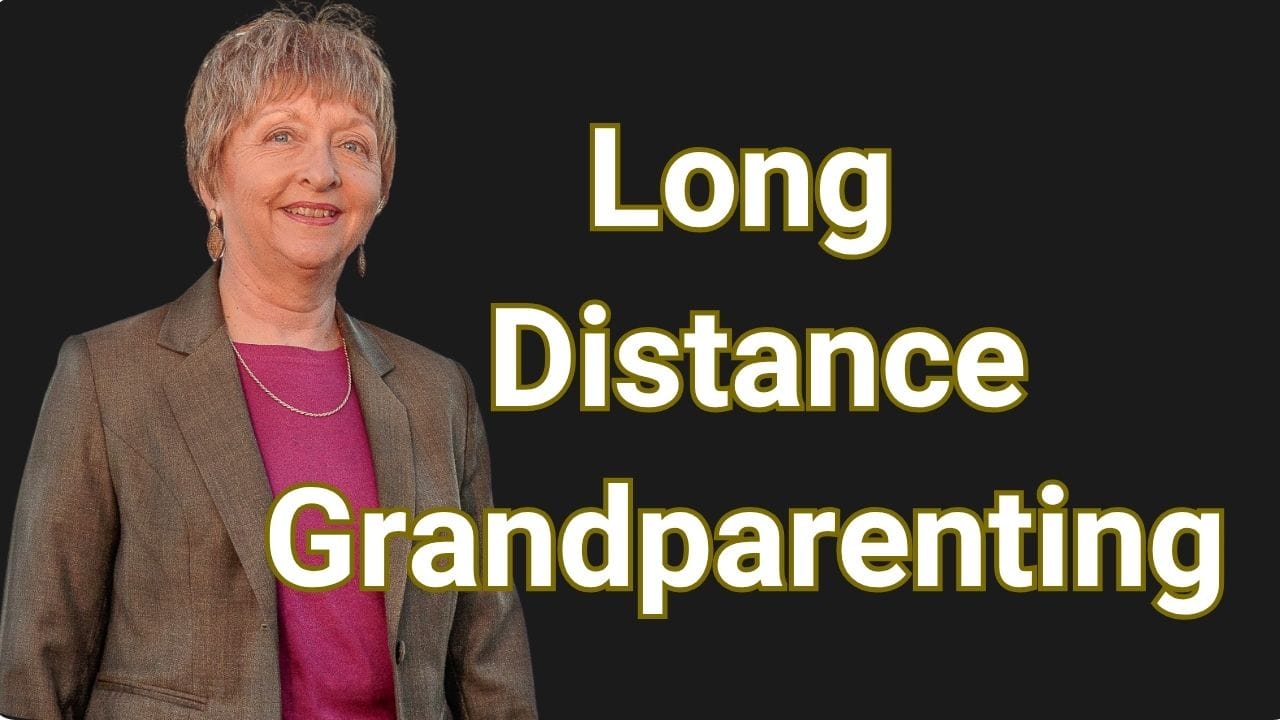
There’s a specific kind of tenderness that comes with building a life abroad: you can be deeply grateful for the life you’ve created, and still feel the quiet ache of everyone you love being far away. In this conversation, host Mickelle sits down with Helen Ellis, M.A.—New Zealand–based researcher, author, and anthropologist, and founder of DistanceFamilies.com—to talk about what it actually takes to sustain family bonds across oceans, calendars, and time zones.
Helen isn’t speaking from theory. She’s lived distance parenting and grandparenting for decades, with three of her four children—and six of her seven grandchildren—living between 16 and 30 flight hours away across the United States, England, and Scotland. What makes her work so powerful is that it doesn’t romanticize distance… and it doesn’t catastrophize it either. It offers something rarer: calm, compassionate realism, and practical guidance that honors every generation in the family system.
At the heart of Helen’s approach is one steady, connecting question:“How is distance familying for you?” Not “Are you okay?” Not “Do you miss us?” But an invitation to speak honestly from where you are and to listen without rushing to fix.
In this episode;
The question that opens connection
Helen shares the single most grounding practice she returns to again and again: asking each generation how distance family life is actually landing for them. When we ask better questions, we stop guessing—and start building empathy.
Why each generation needs a different lens
Grandparents, adult children, and grandchildren often understand their own experience clearly, but don’t always imagine what it feels like for the others. Helen’s work bridges that gap—because empathy is what makes connection sustainable.
The adult child as the “communication traffic officer”
Distance doesn’t thrive on good intentions—it thrives on rhythm. Helen encourages adult children to embrace the role of “booker”: set the calls, create a cadence, and build a predictable pattern of contact that makes everyone feel held.
The small things that quietly matter during visits
Helen names a few tiny, surprisingly common stress points that can erode connection when families finally reunite: not acknowledging gifts, forgetting to say thank you, leaving bedrooms in chaos, or overlooking the household norms that matter to the “home base” generation. These aren’t about perfection—they’re about respect.
Rituals that make distance feel tangible
From handwritten letters and postcards to reading the same children’s book together on video, Helen reminds us that rituals don’t have to be big. They have to be consistent. She shares examples from her own family—food traditions, familiar games, repeated patterns—that become anchors across years and continents.
Planning a beautiful, realistic life while family is far away
One of the most refreshing parts of this conversation is Helen’s honesty about the unexpected positives of distance: autonomy, protected time, and the freedom to build a life that fits the season you’re in—without guilt. At the same time, she speaks directly about planning for later life when you may not have family nearby, and why that practical preparation is part of loving well.
A note that lands deeply
Helen offers a simple, quietly healing suggestion: if you’re going to gift her book to your parents, read it first. Then give it with a note that says, “I read this—and I understand more how it is for you.” Sometimes the most luxurious thing we can offer is not a product, but understanding.
About the Guest: Helen Ellis, M.A.
Helen Ellis, M.A. is a New Zealand–based researcher, author, and anthropologist, and a long-time practitioner of distance parenting and grandparenting. She is the founder of DistanceFamilies.com. Her Distance Families book series weaves lived experience with international research across three titles: Being a Distance Grandparent, Being a Distance Son or Daughter, and Being a Distance Grandchild, each written to help families understand “how it is” for the other generations, and to offer practical, compassionate guidance for doing distance well.
Connect with Helen & explore her work:
- Website: https://www.distancefamilies.com/
- Instagram: https://www.instagram.com/helenellis.author/
- LinkedIn: www.linkedin.com/in/helen-ellis-02590a16
- Facebook: https://www.facebook.com/HelenEllisDistanceFamilies/
Keep turning up
If this conversation resonated, share it with someone you love across the miles and choose one small ritual you can begin this week. Distance doesn’t require perfection. It requires intention.